Everything You Need to Know About Sak Yant
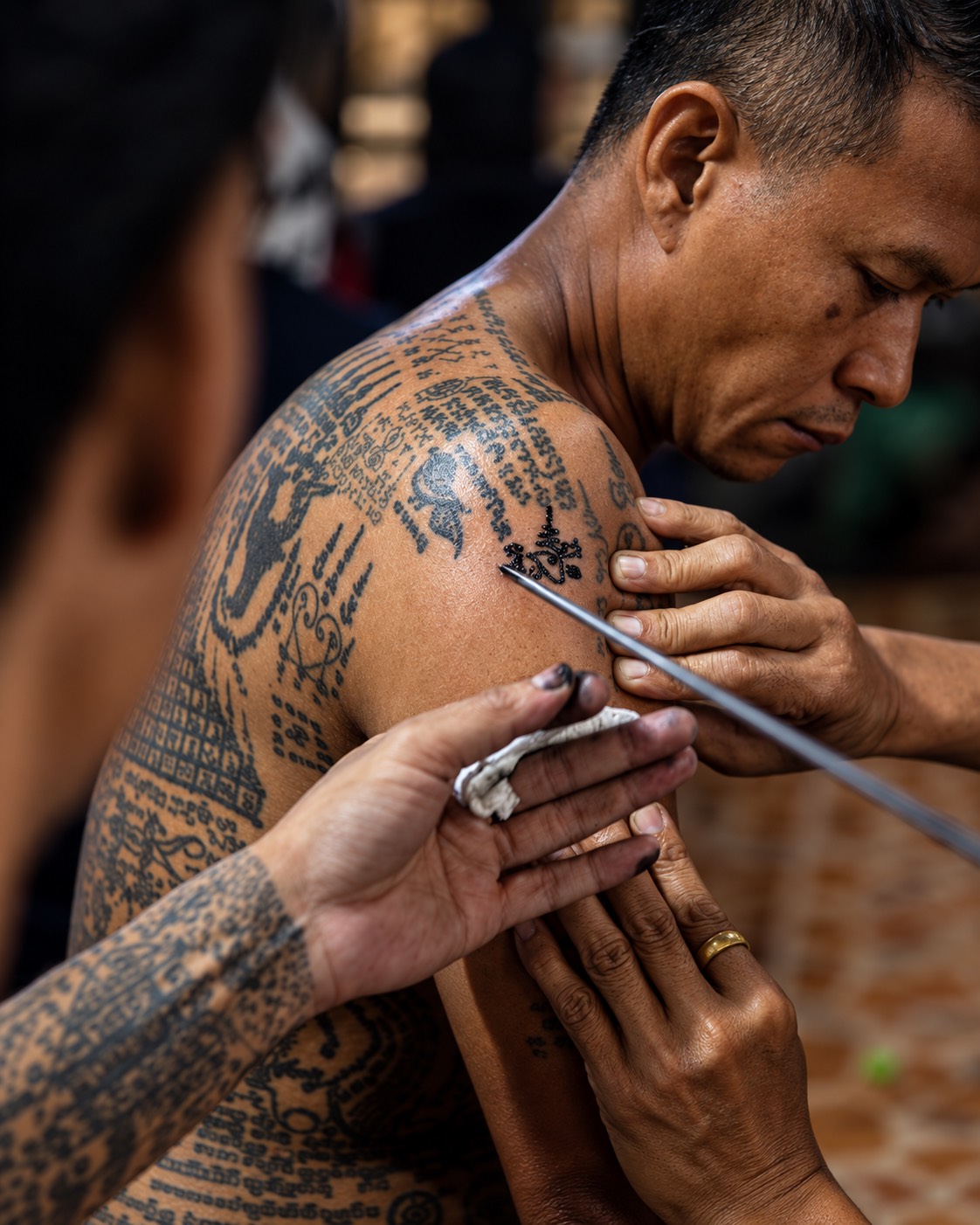
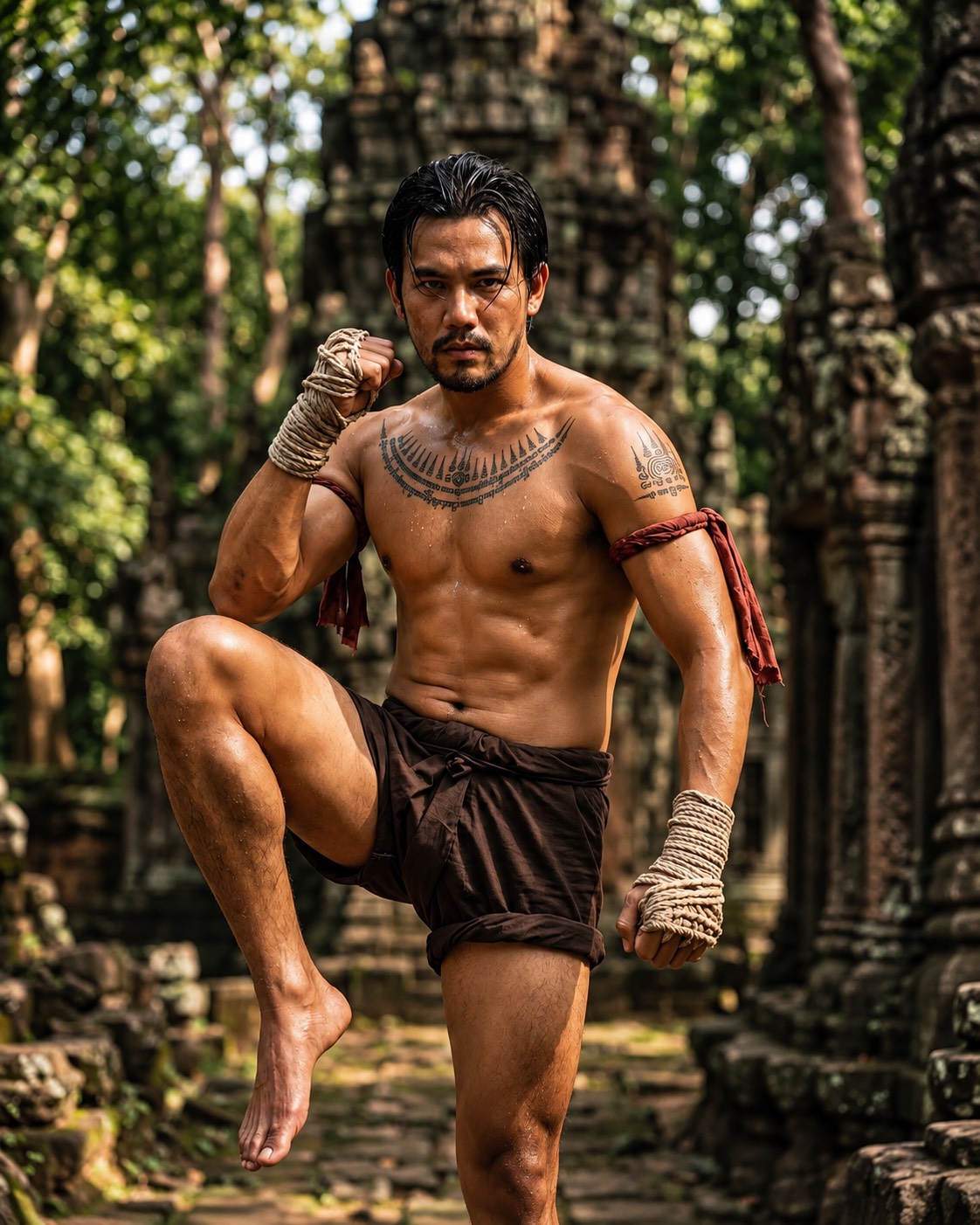
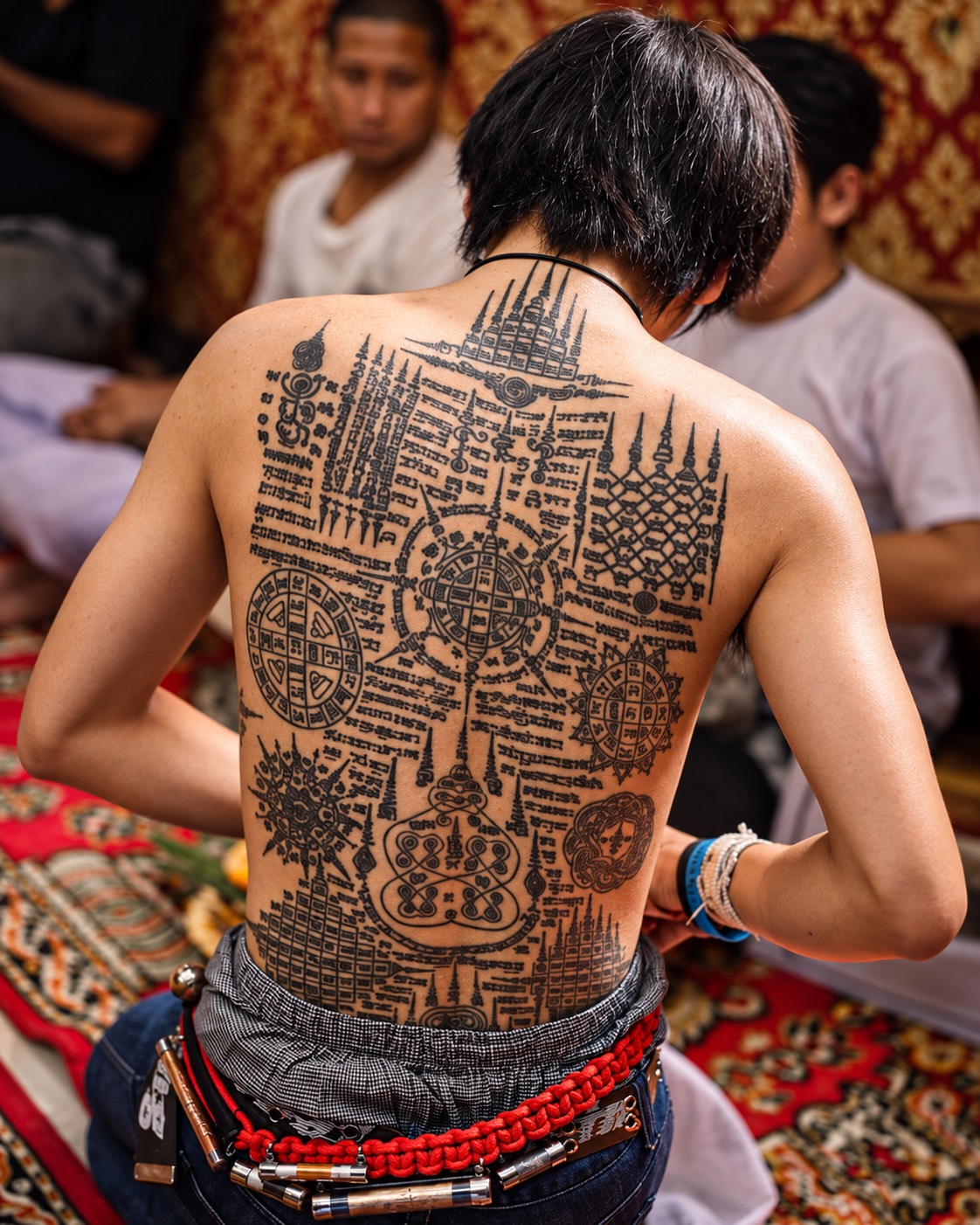
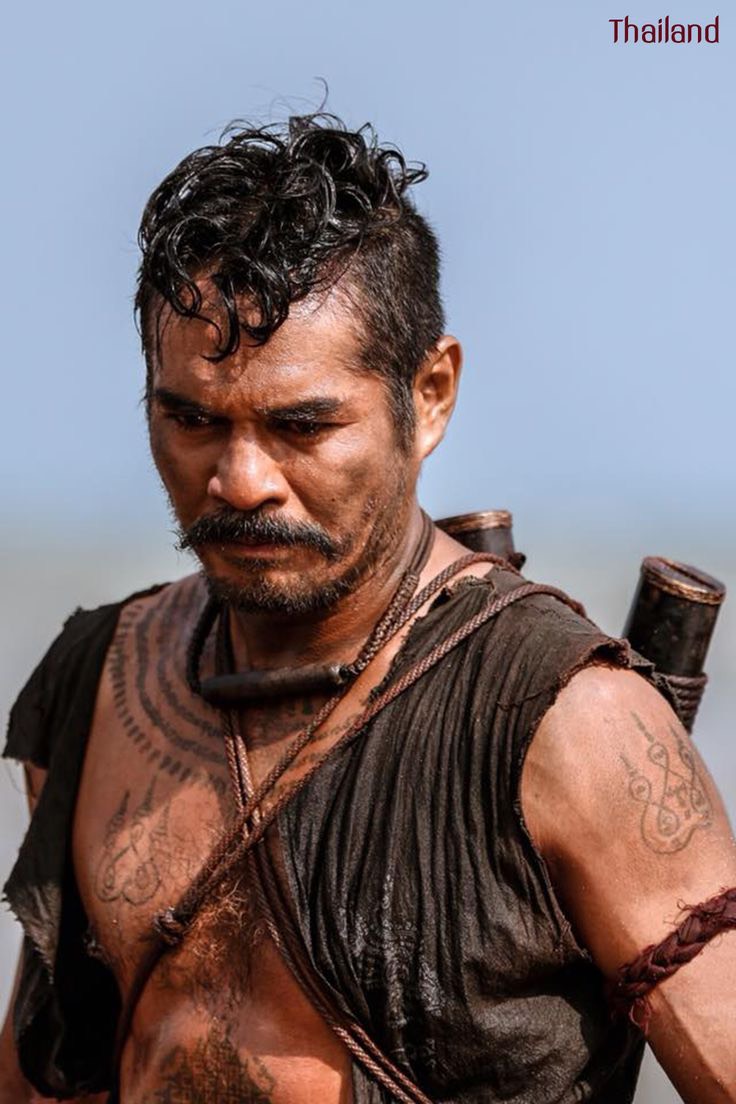
Traditional Thai Sak Yant is one of Thailand’s oldest and most respected cultural traditions, with a history spanning hundreds of years. The term “Sak” means to tattoo, while “Yant” refers to a sacred geometric design or mystical symbol derived from ancient Buddhist, Brahman, and Khmer traditions. Originally, Sak Yant was created to provide spiritual protection, good fortune, courage, and guidance. Ancient Thai warriors, monks, and devotees believed that each sacred design carried unique blessings and symbolic power. Every pattern was carefully chosen to match the individual’s life, personality, and aspirations. Unlike ordinary tattoos, a traditional Sak Yant is deeply connected to Thai spiritual heritage. The sacred designs are often combined with ancient Pali or Khom script, representing prayers, blessings, and protective chants that have been passed down through generations. For centuries, Sak Yant has been performed by experienced Ajarns (masters) and Buddhist monks who have dedicated years to studying both the artistic techniques and the spiritual traditions behind each design. Every tattoo is created with great respect for Thai culture and the personal meaning it holds for the wearer. Today, Traditional Thai Sak Yant has gained worldwide recognition, attracting visitors from across the globe who travel to Thailand to experience this unique cultural art form. While many people admire Sak Yant for its striking visual beauty, others choose it for its historical significance, cultural value, and the meaningful connection it creates with Thailand’s rich heritage. At BT Tattoo Thailand, we are proud to preserve the authenticity of Traditional Thai Sak Yant while providing a safe, professional, and hygienic environment that meets modern international standards. We honor the history, symbolism, and craftsmanship behind every design, ensuring that each client receives a meaningful tattoo experience with respect for this centuries-old Thai tradition.
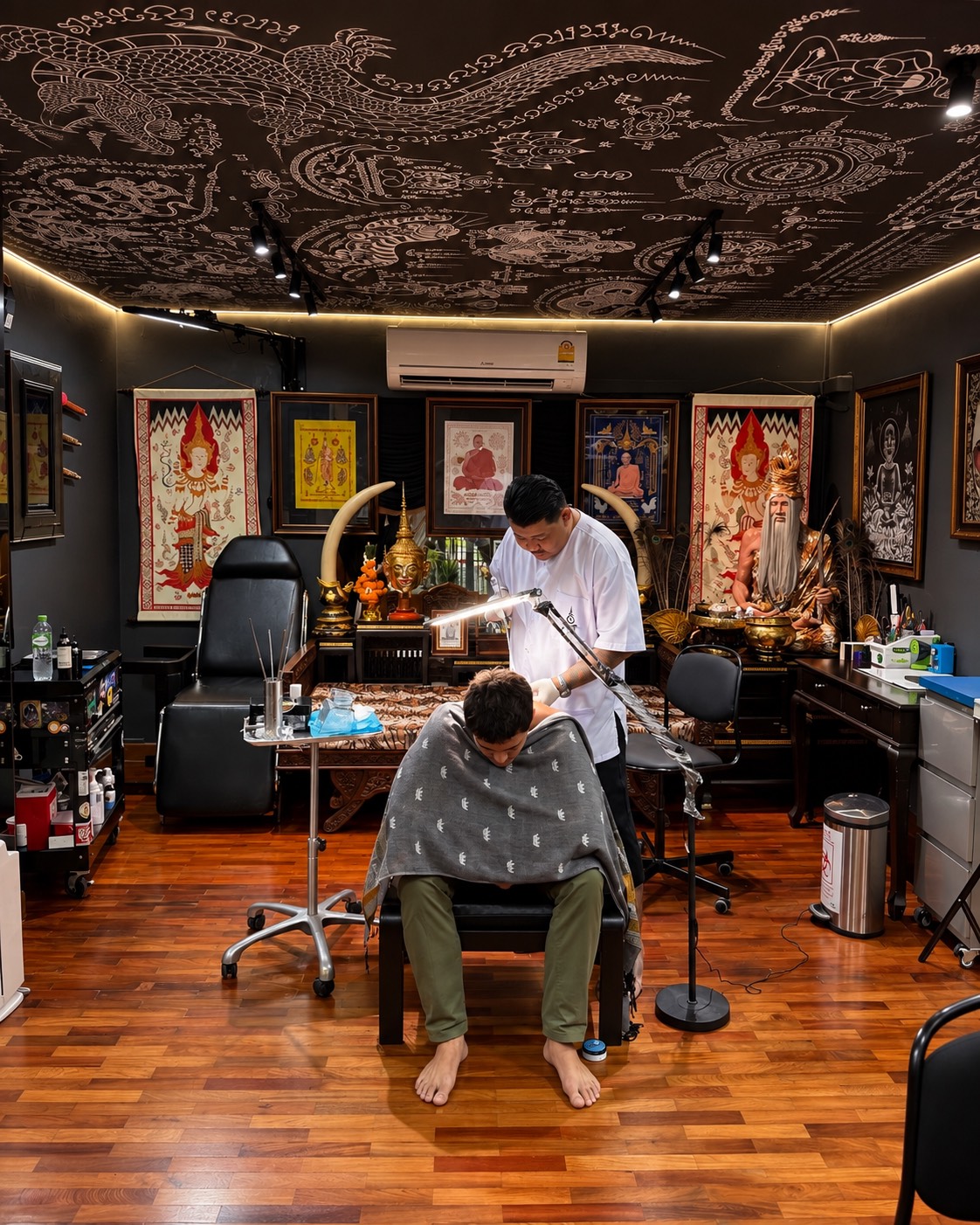
Yes—Traditional Sak Yant can be completely safe when it is performed by experienced professionals who follow strict hygiene and sterilization standards. At BT Tattoo Thailand, we combine the authenticity of Traditional Thai Sak Yant with modern international hygiene practices. Every client receives a clean, safe, and professional tattoo experience without compromising the cultural and spiritual significance of this ancient art. Our Hygiene Standards * Single-use, sterile needles are opened in front of every client and never reused. * All equipment is thoroughly disinfected and sterilized according to professional tattoo industry standards. * Artists wear fresh disposable gloves throughout the procedure. * The tattoo area is cleaned and prepared using medical-grade disinfectants before tattooing begins. * Our studio maintains a clean, comfortable, and hygienic environment for every client. Traditional Technique, Modern Safety Whether you choose a Traditional Bamboo Sak Yant or a Machine Sak Yant, your safety is always our highest priority. We use high-quality tattoo inks and professional equipment to ensure the best possible results while respecting the traditional methods and cultural heritage of Sak Yant. Professional Aftercare Proper aftercare is an important part of the healing process. After your tattoo is completed, our team will provide clear aftercare instructions to help your tattoo heal properly, reduce the risk of infection, and preserve the quality of your artwork. A Safe and Authentic Sak Yant Experience Thousands of visitors travel to Thailand every year to receive a Sak Yant tattoo. Choosing a reputable studio with experienced artists, strict hygiene standards, and transparent practices is the best way to enjoy this unique cultural experience with confidence. At BT Tattoo Thailand, we are committed to providing an authentic Traditional Thai Sak Yant experience in a professional, safe, and welcoming environment, giving every client peace of mind from consultation to complete.
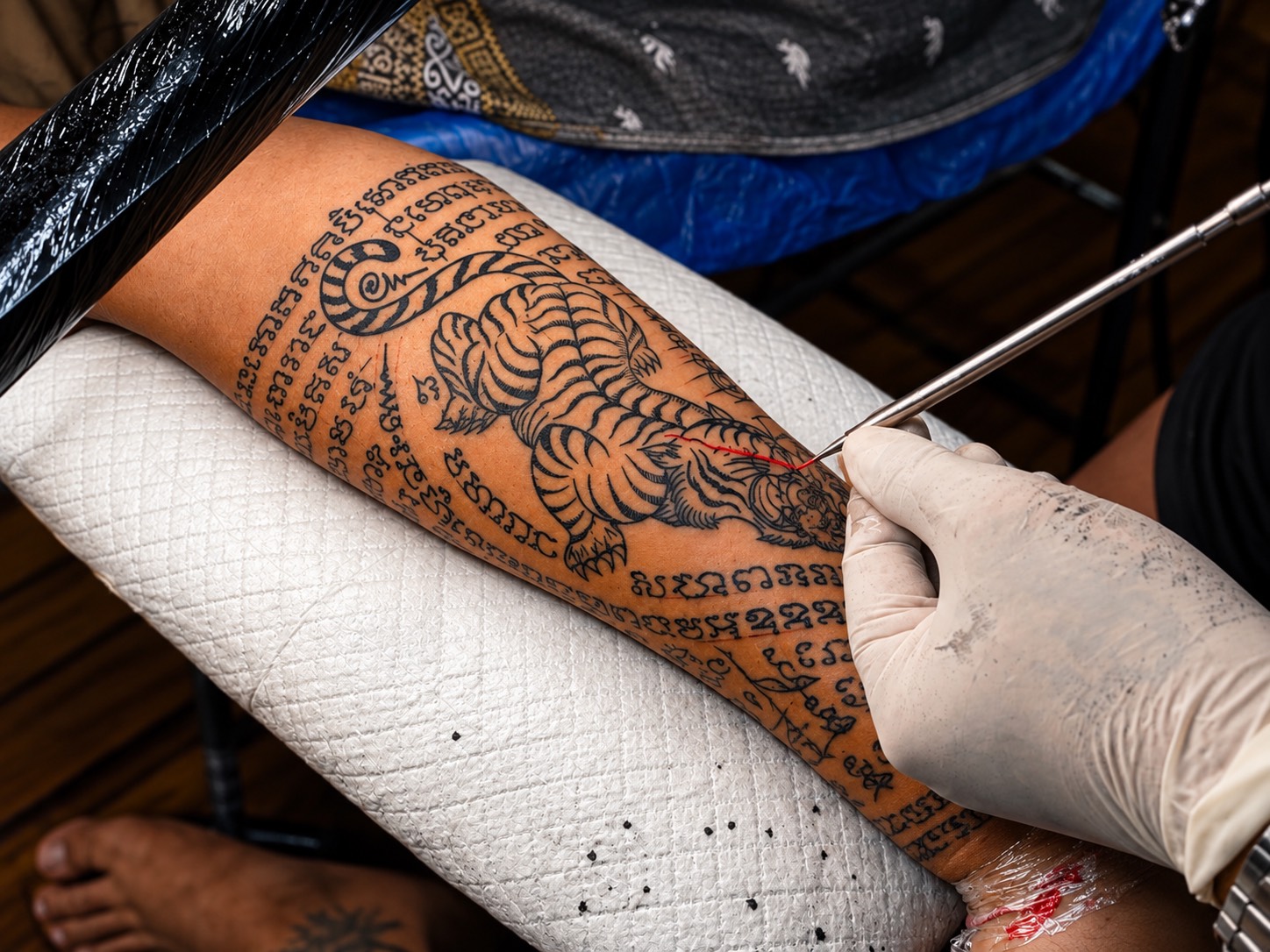
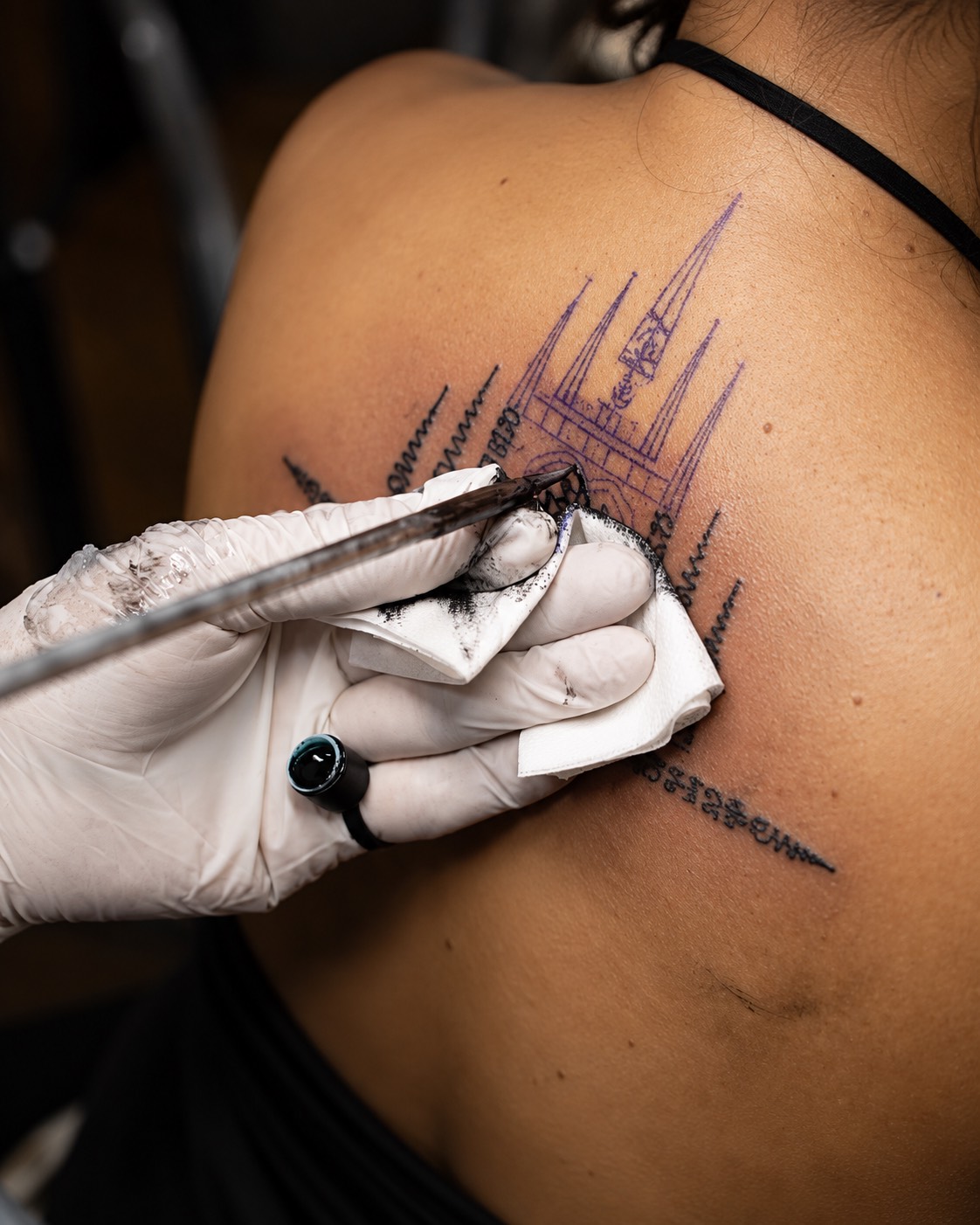
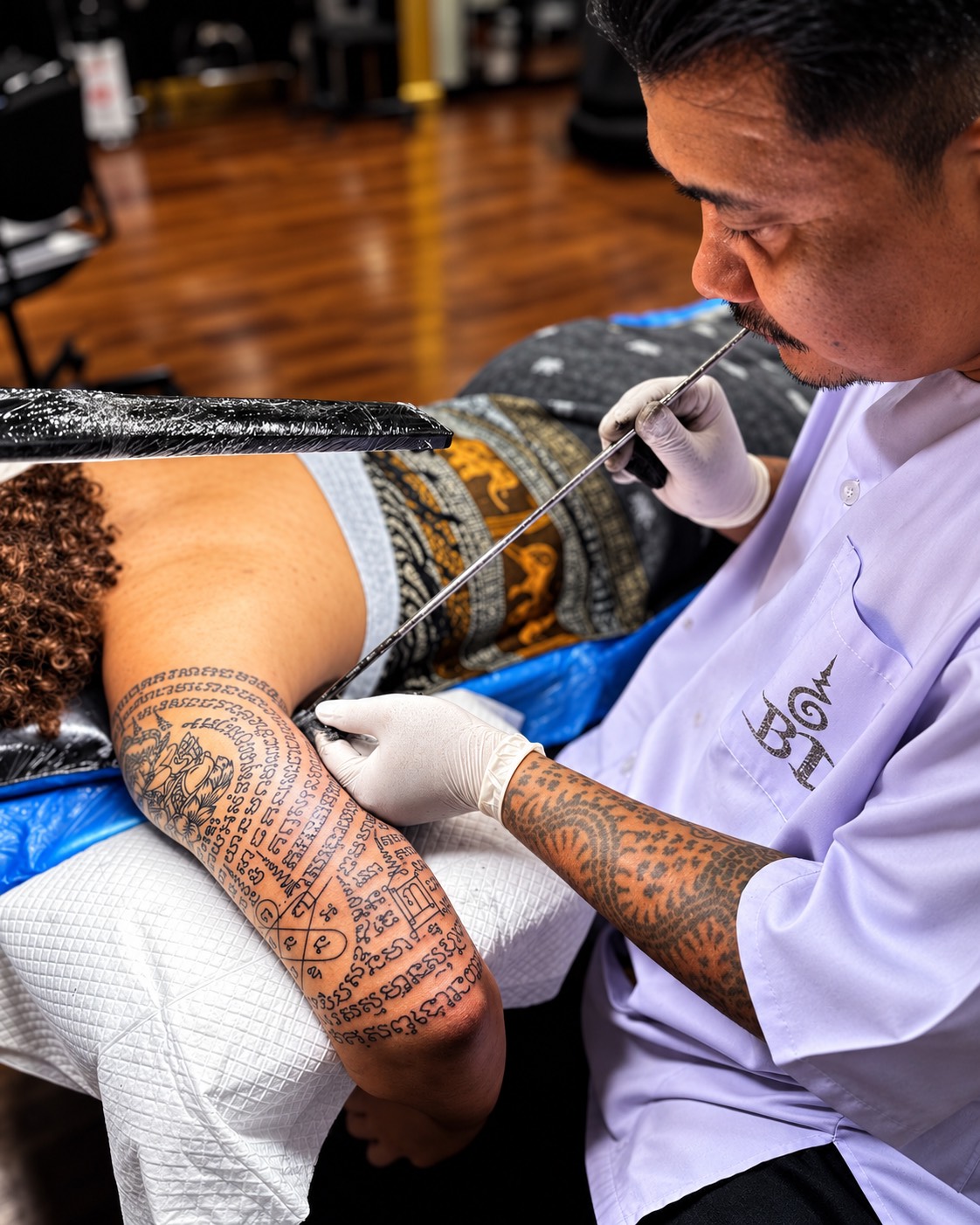
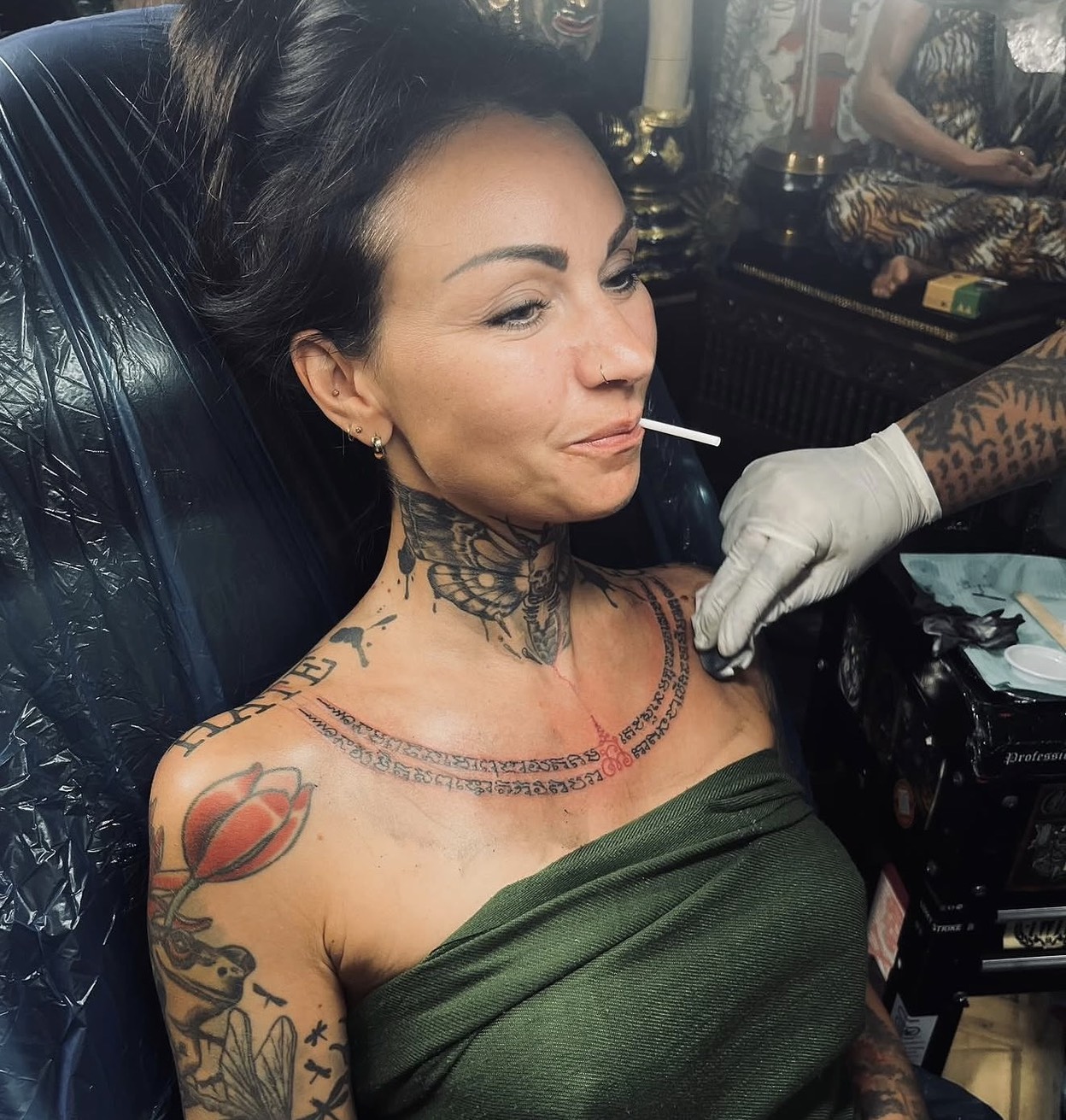
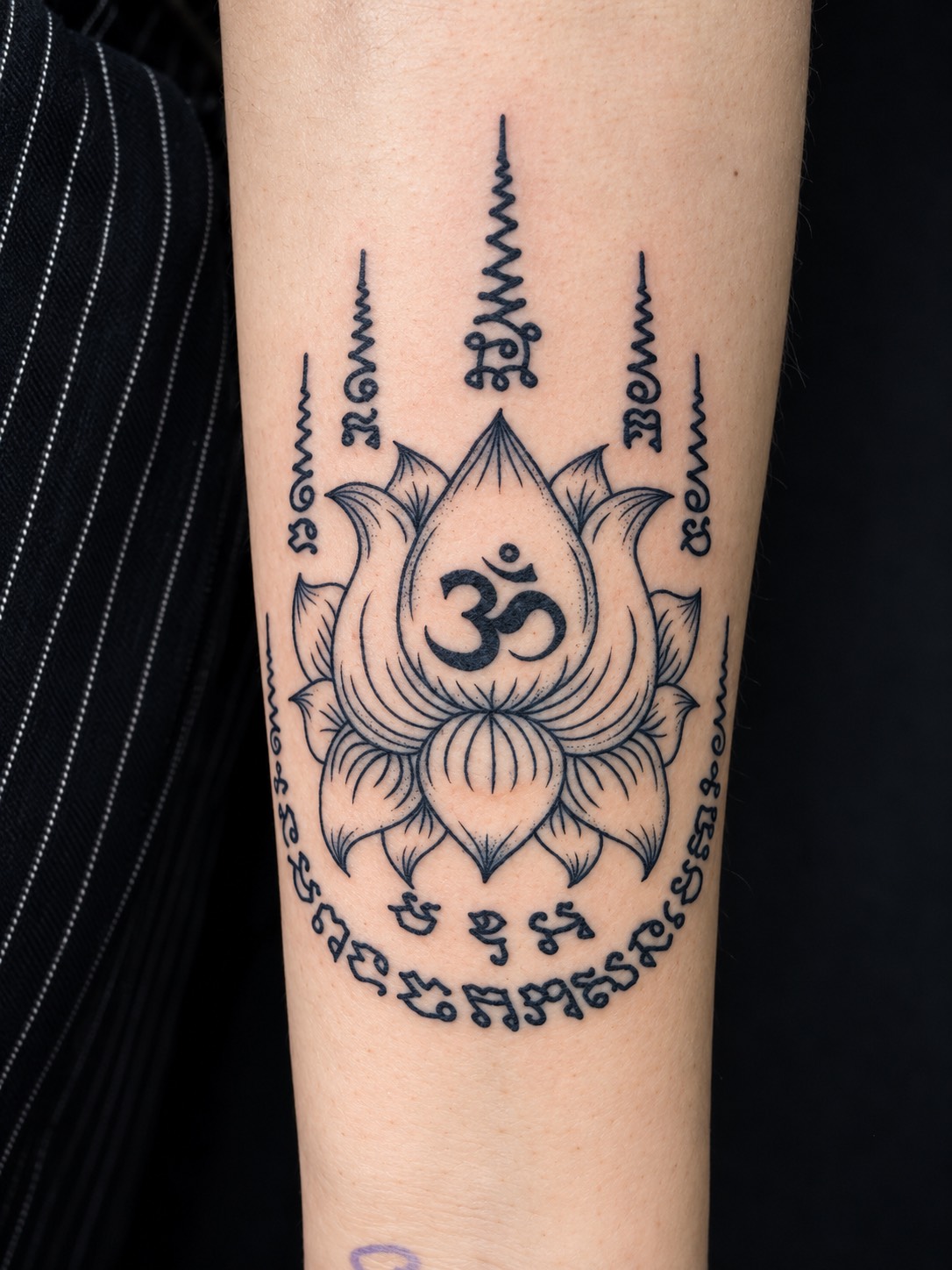
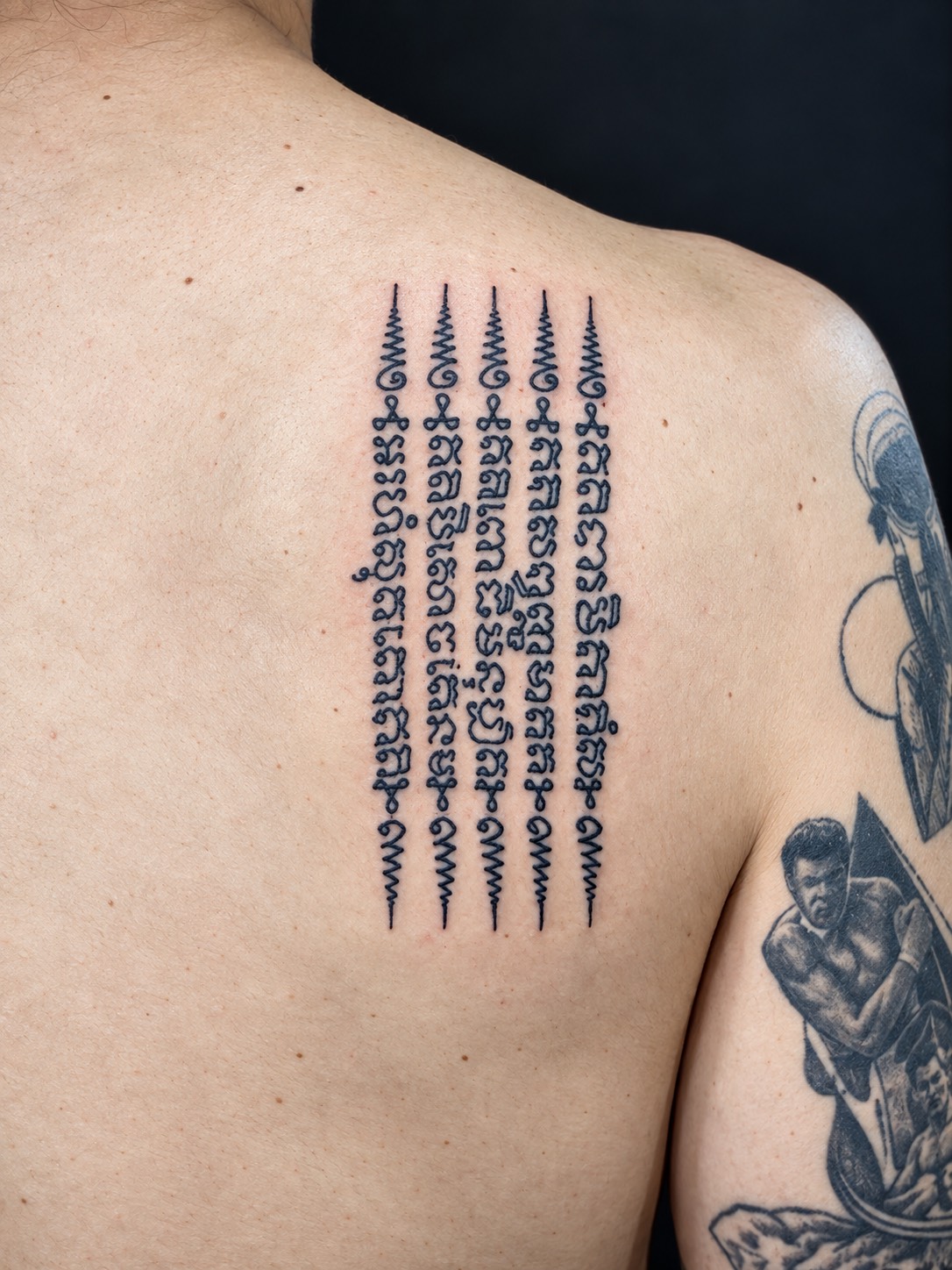
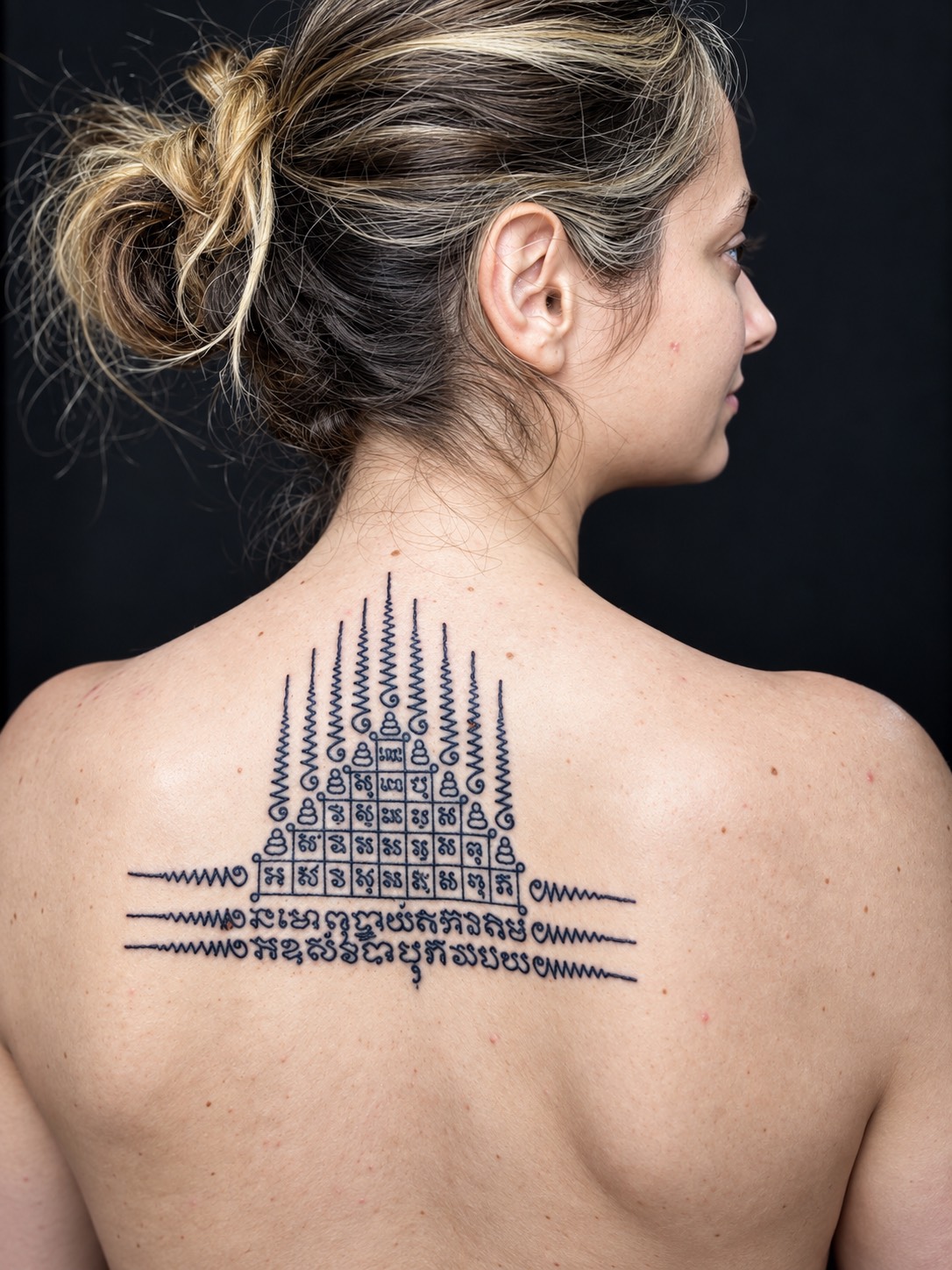
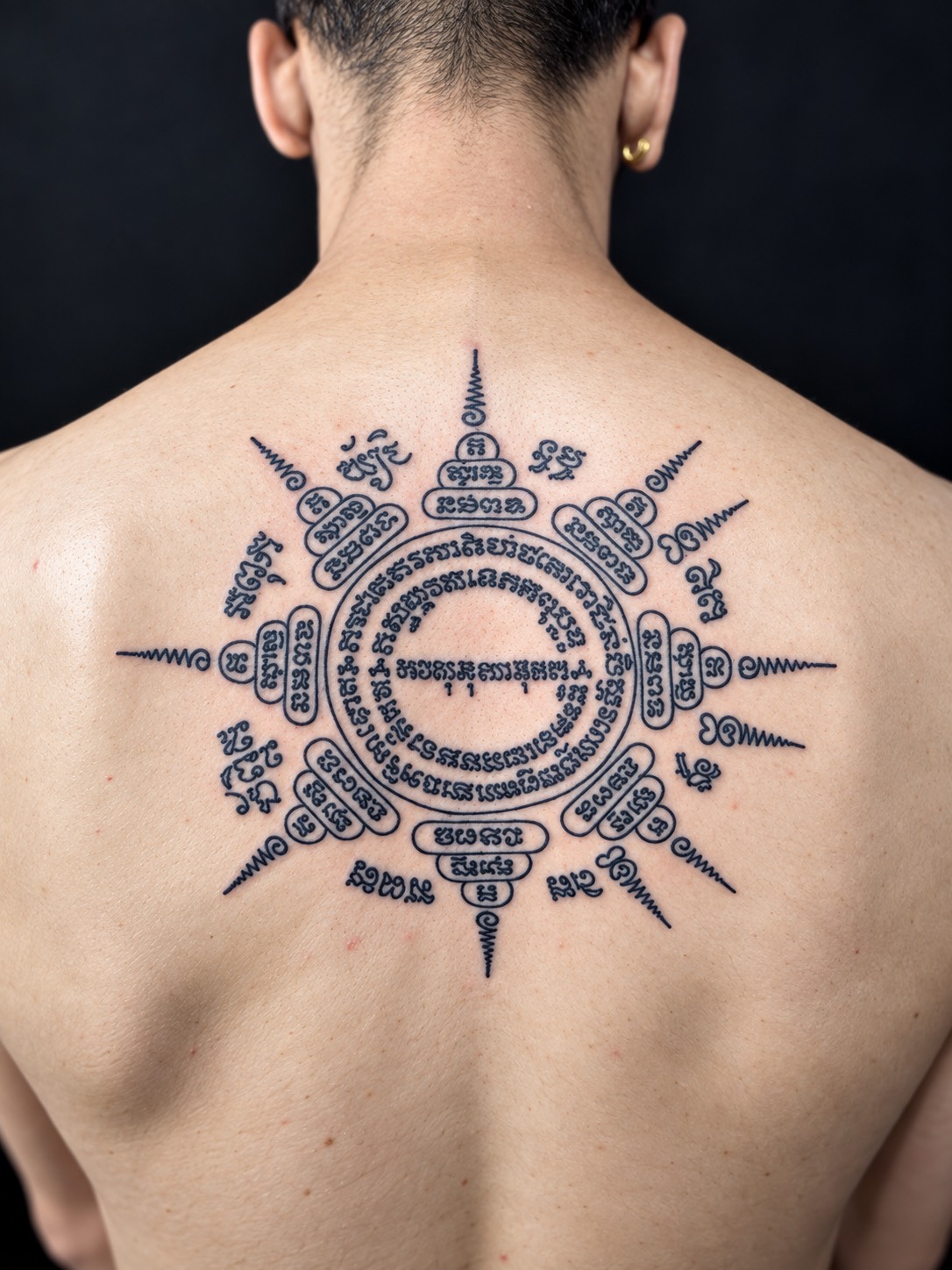
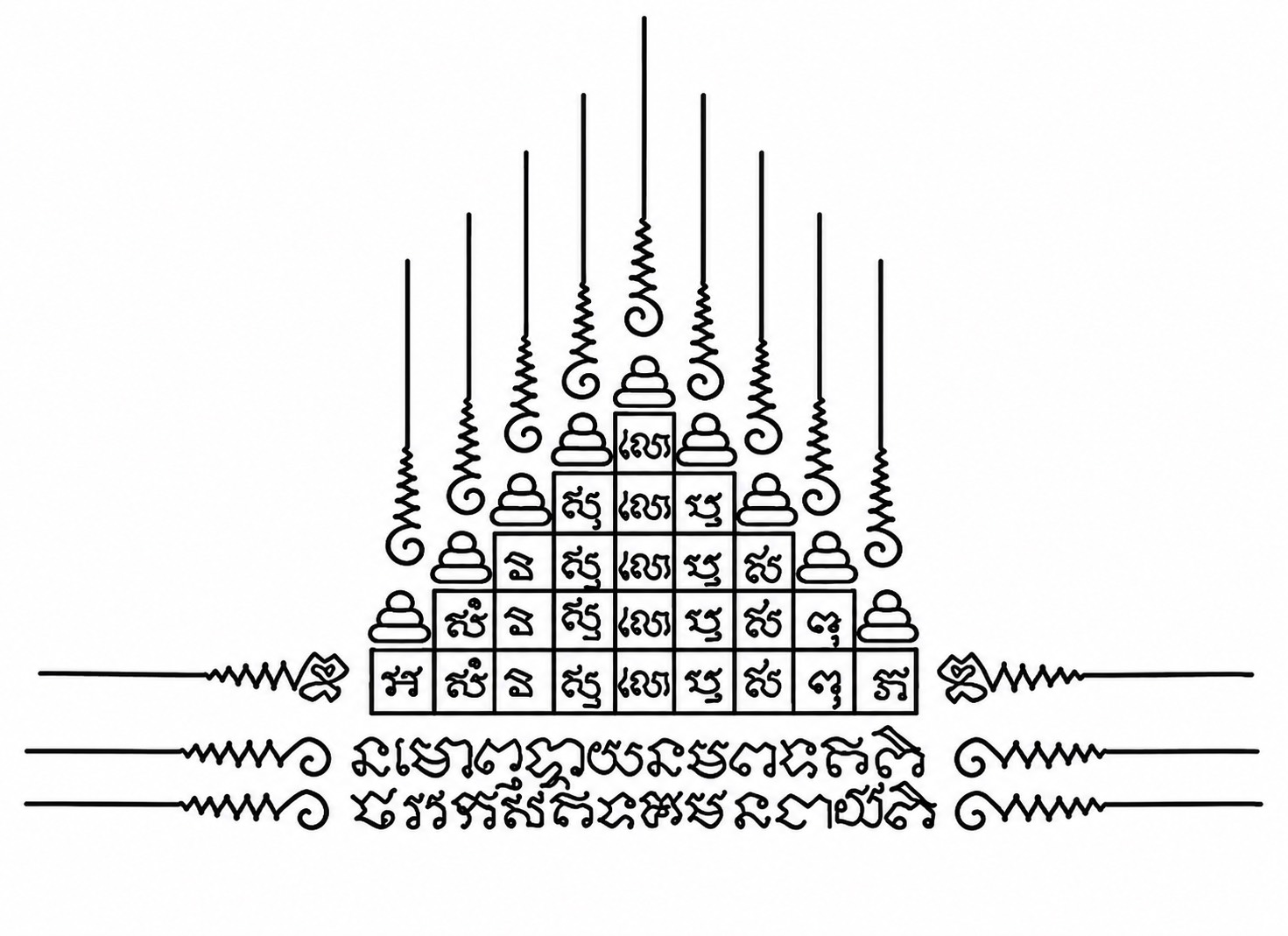
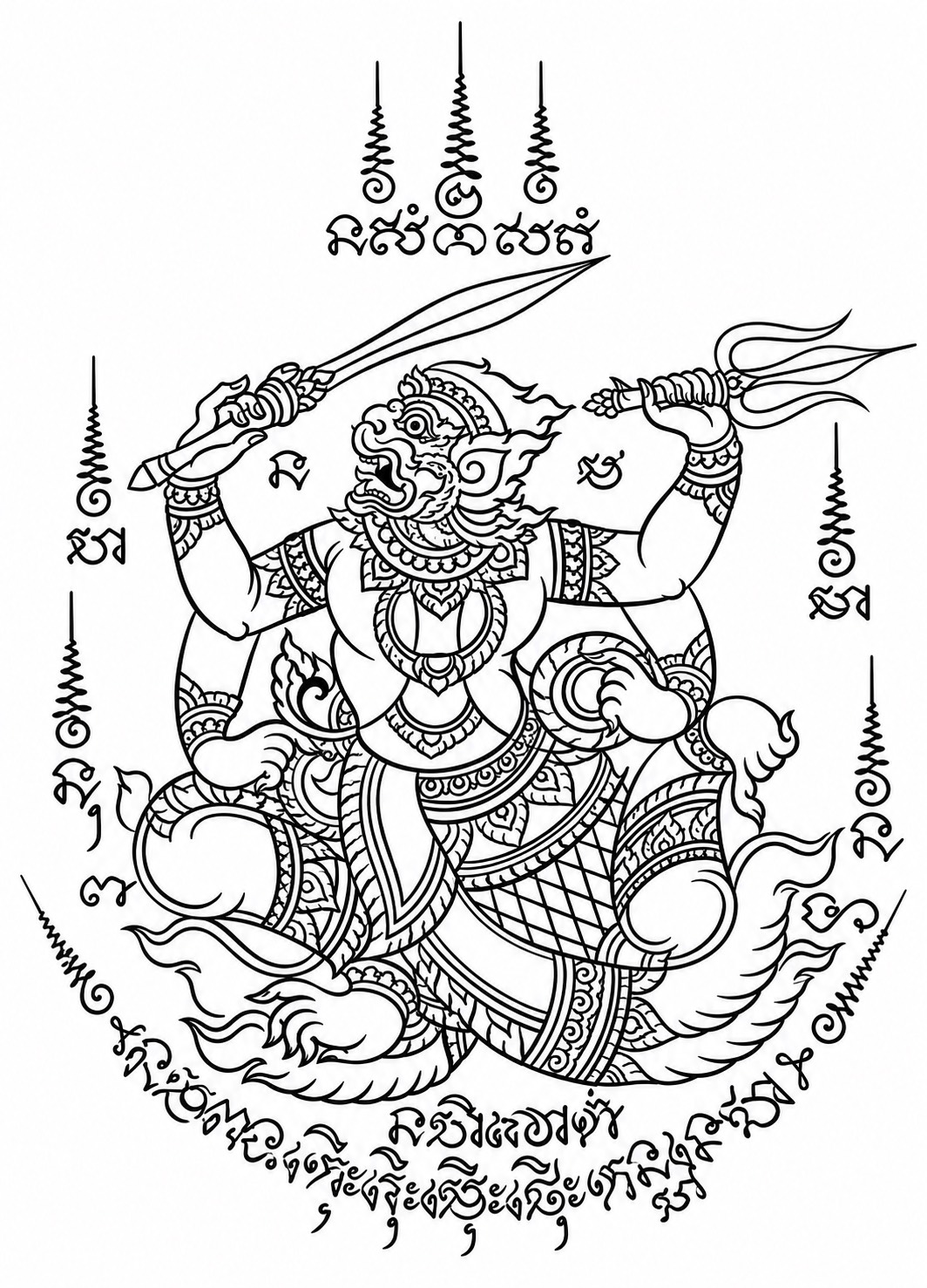
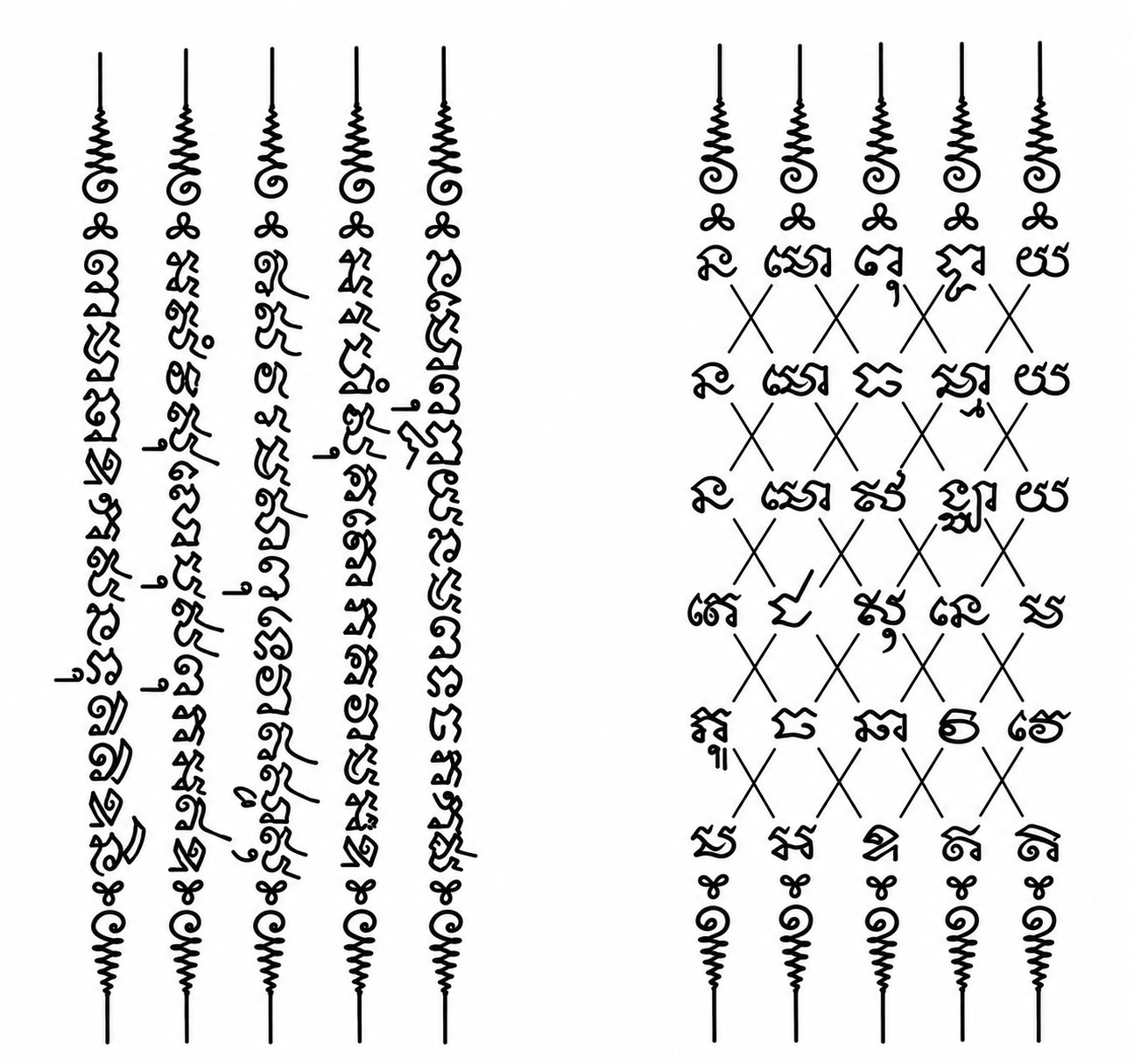
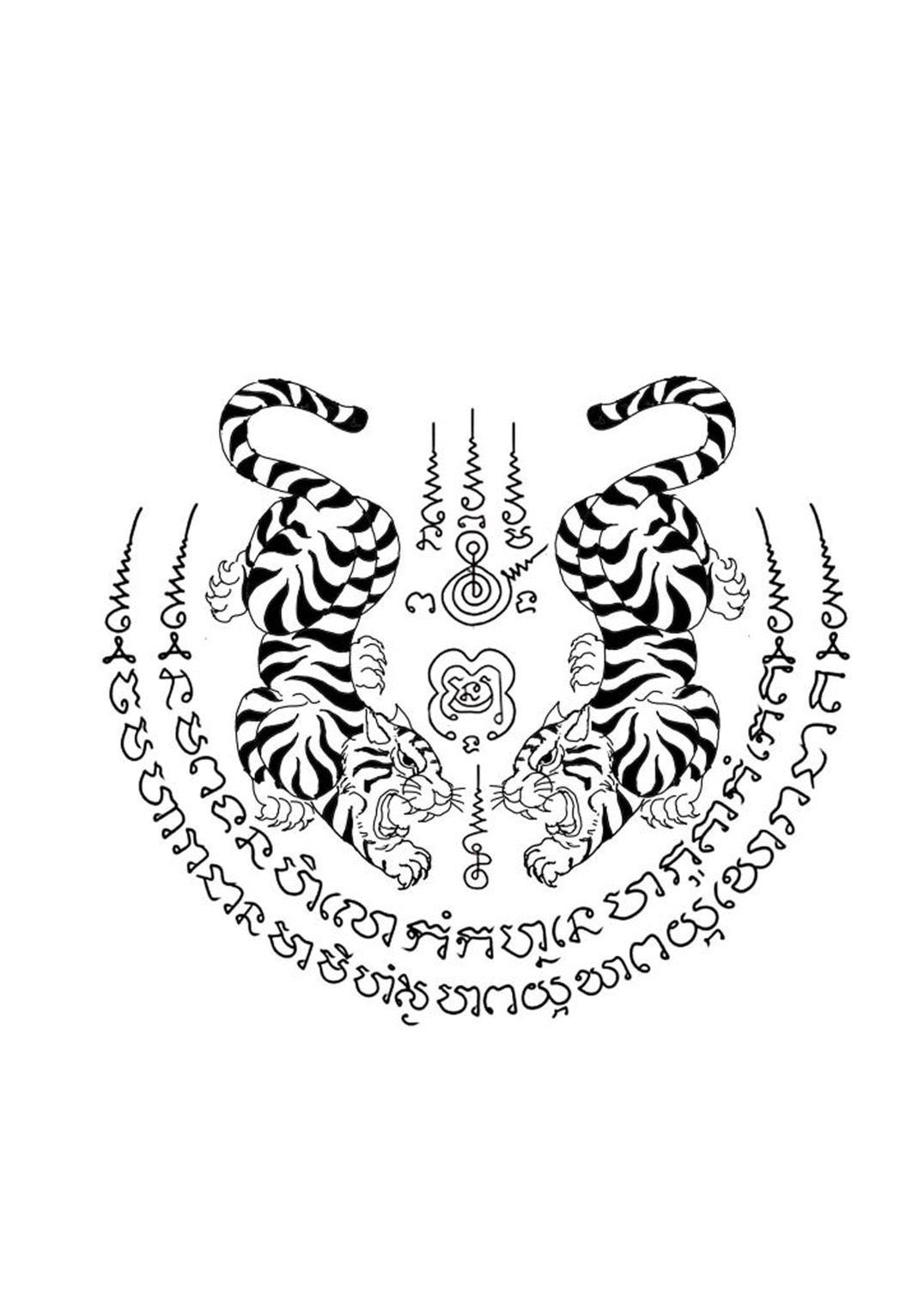
Sak Yant tattoos are far more than beautiful works of art—they are deeply rooted in Thai culture, spirituality, and centuries-old traditions. Every design carries its own symbolic meaning and is traditionally chosen based on the wearer’s intentions, goals, or personal beliefs. While many people choose a Sak Yant for its striking appearance, each sacred design represents different blessings such as protection, success, courage, good fortune, wisdom, compassion, or spiritual growth. Below are some of the most popular Traditional Thai Sak Yant designs and their meanings. ⸻ Hah Taew Sak Yant (Five Lines Tattoo) The Hah Taew Sak Yant (ยันต์ห้าแถว) is one of the most well-known and popular Sak Yant designs in Thailand. It consists of five vertical rows of sacred Khom script, with each line representing a different blessing. The Five Lines are traditionally believed to symbolize: * Protection against negative energy and misfortune. * Good luck and success in daily life. * Protection from accidents and unseen dangers. * Increased charisma, kindness, and positive relationships. * Prosperity, happiness, and a path toward a successful future. Many visitors choose Hah Taew as their first Sak Yant because it offers a balanced combination of protection, fortune, and personal growth. ⸻ Paed Tidt Sak Yant (Eight Directions Tattoo) The Paed Tidt Sak Yant (ยันต์แปดทิศ) features eight sacred Buddha images arranged around a central Yant, representing protection in every direction. This design symbolizes: * Protection from all eight directions. * Safe travels and protection during journeys. * Strength and confidence when facing challenges. * Spiritual guidance and inner balance. * Protection against negative influences from every direction of life. Paed Tidt is especially popular among travelers, adventurers, and people who frequently work or travel internationally. ⸻ Suea Koo Sak Yant (Twin Tigers Tattoo) The Suea Koo Sak Yant (ยันต์เสือคู่) represents two powerful tigers standing side by side, symbolizing authority, courage, leadership, and determination. The Twin Tigers are believed to bring: * Strength and courage. * Leadership and confidence. * Respect from others. * Success in business and career. * Determination to overcome obstacles. * Personal power and ambition. This design is often chosen by entrepreneurs, business owners, executives, athletes, military personnel, and individuals seeking greater confidence and success. ⸻ Gao Yord Sak Yant (Nine Spires Tattoo) The Gao Yord Sak Yant (ยันต์เก้ายอด) is considered one of the highest and most sacred traditional Sak Yant designs. The nine sacred spires represent the Nine Peaks of Mount Meru and the highest spiritual virtues in Buddhist tradition. This powerful Yant is traditionally believed to provide: * Comprehensive spiritual protection. * Good fortune and prosperity. * Wisdom and clarity. * Respect and authority. * Protection from danger and misfortune. * Positive life guidance and spiritual blessings. For centuries, Gao Yord has been one of the most respected Sak Yant designs and is often regarded as a symbol of complete protection. ⸻ Lotus Sak Yant (Lotus Tattoo) The Lotus Sak Yant (ยันต์ดอกบัว) is inspired by the sacred lotus flower, one of the most important symbols in Buddhism. The lotus grows through muddy water before blooming into a beautiful flower, representing purity, wisdom, and spiritual awakening. The Lotus Sak Yant symbolizes: * Purity of heart and mind. * Spiritual growth and enlightenment. * Inner peace and emotional balance. * Compassion and kindness. * New beginnings and positive transformation. * The ability to overcome life’s challenges with wisdom. The Lotus design is a meaningful choice for those seeking personal growth, mindfulness, and a deeper spiritual connection. ⸻ Choosing the Right Sak Yant Every Sak Yant carries its own symbolic meaning, but the most important design is the one that resonates with your personal journey and intentions. Whether you seek protection, courage, prosperity, success, wisdom, or spiritual growth, Traditional Thai Sak Yant offers a meaningful connection to Thailand’s rich cultural heritage. At BT Tattoo Thailand, we proudly create authentic Traditional Thai Sak Yant tattoos in a safe, professional, and hygienic environment. Our experienced Sak Yant Masters can help you choose a design that reflects your personal goals while respecting the traditions and cultural significance of this ancient Thai art.

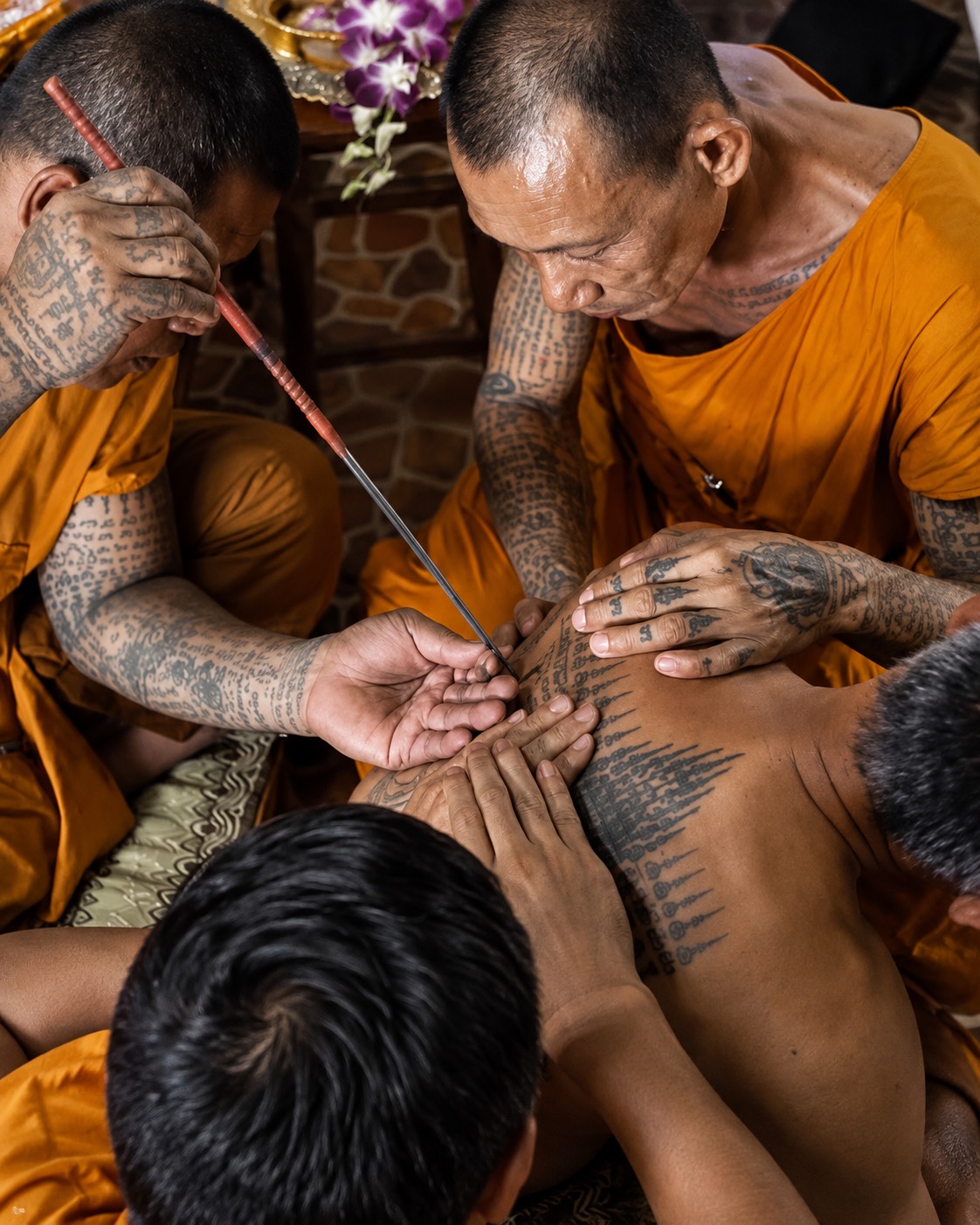
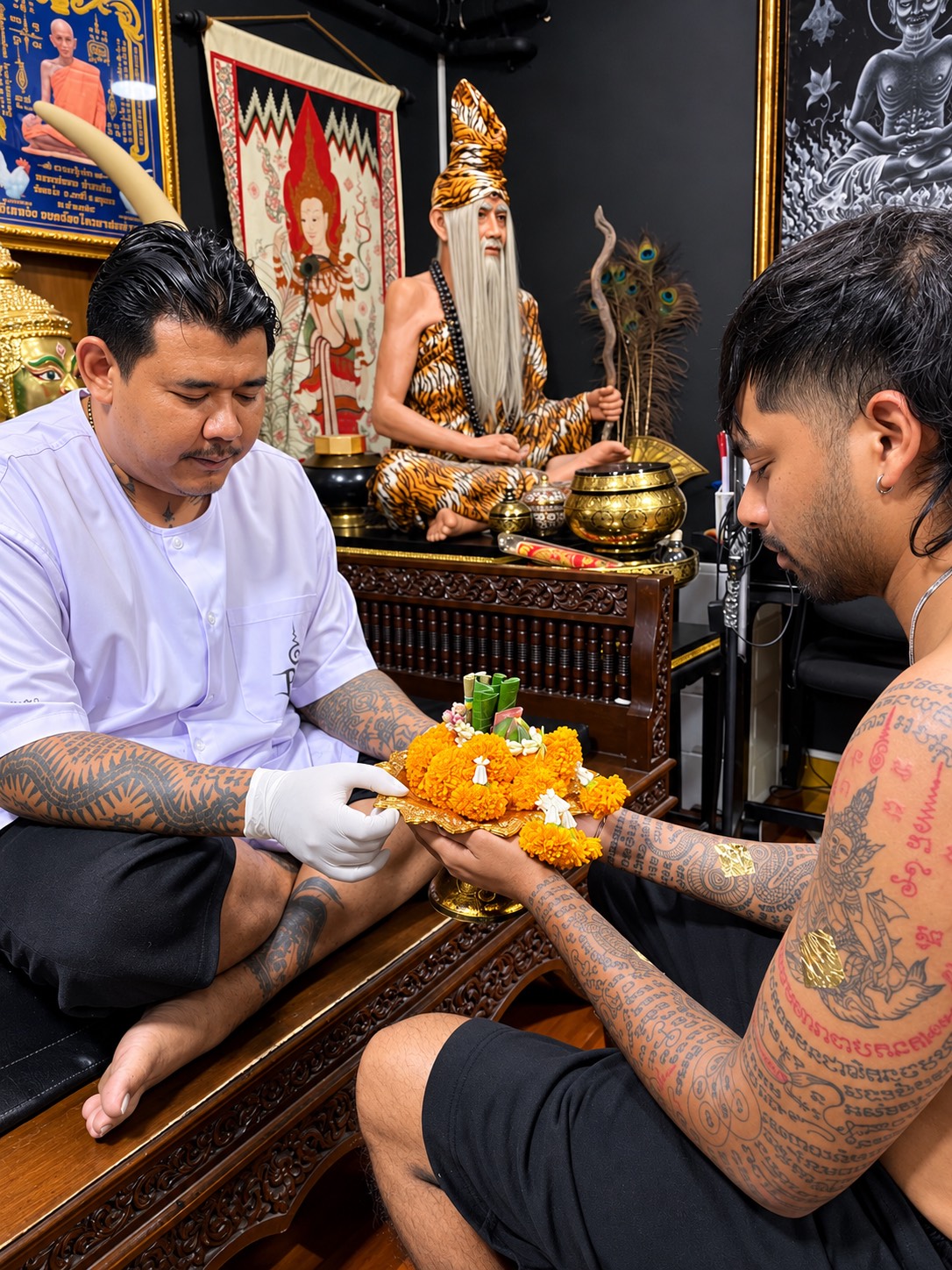
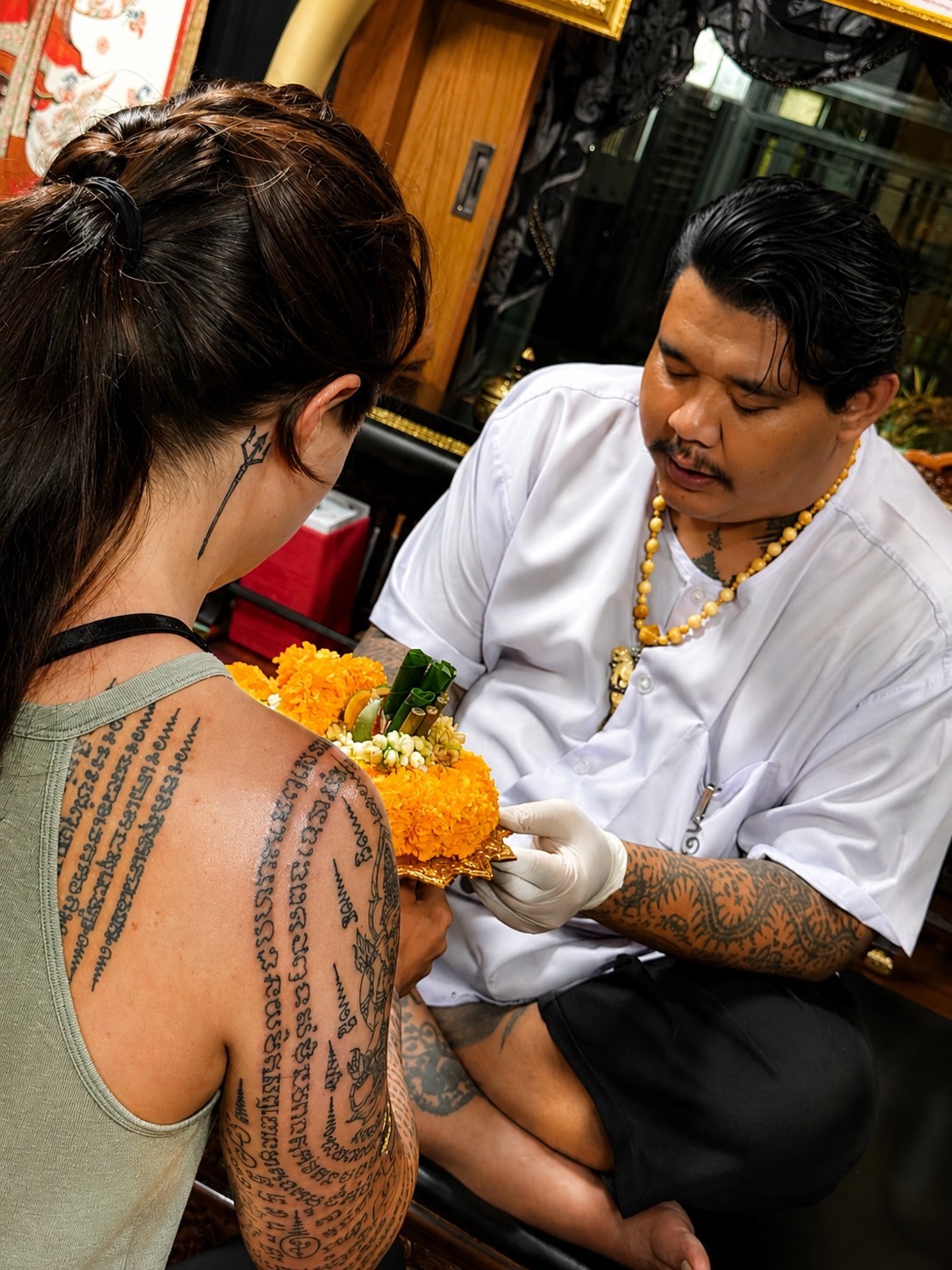
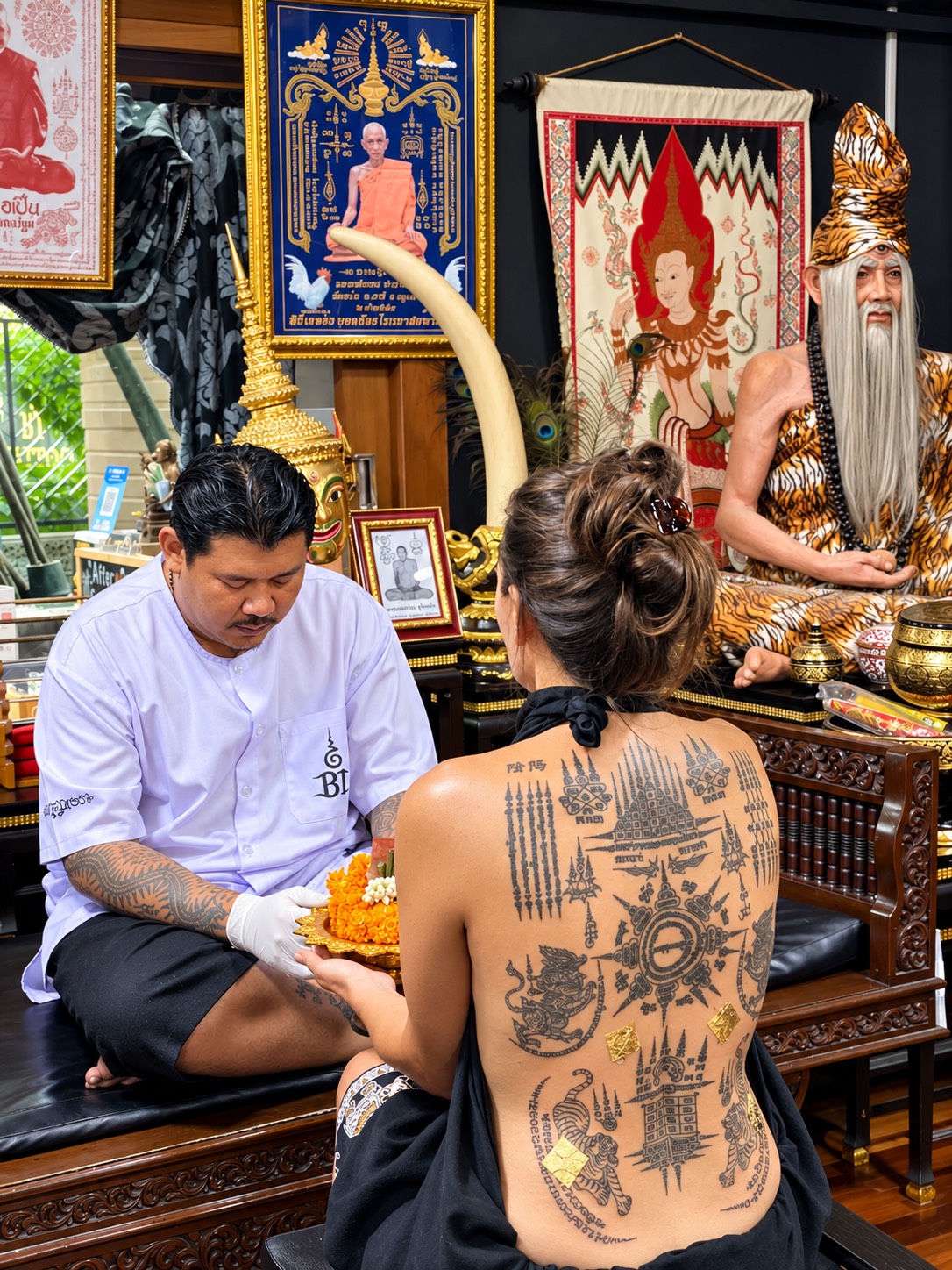
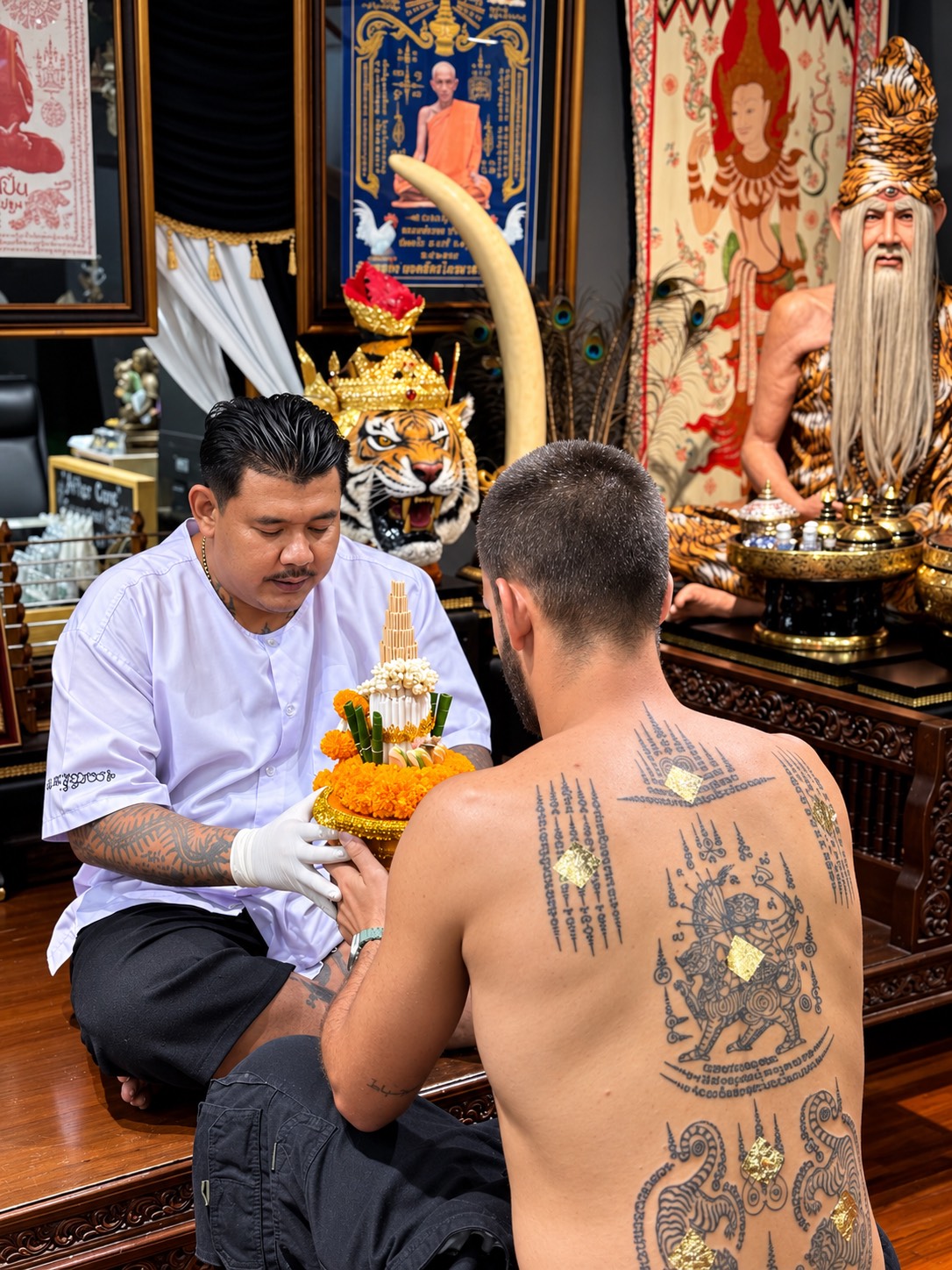
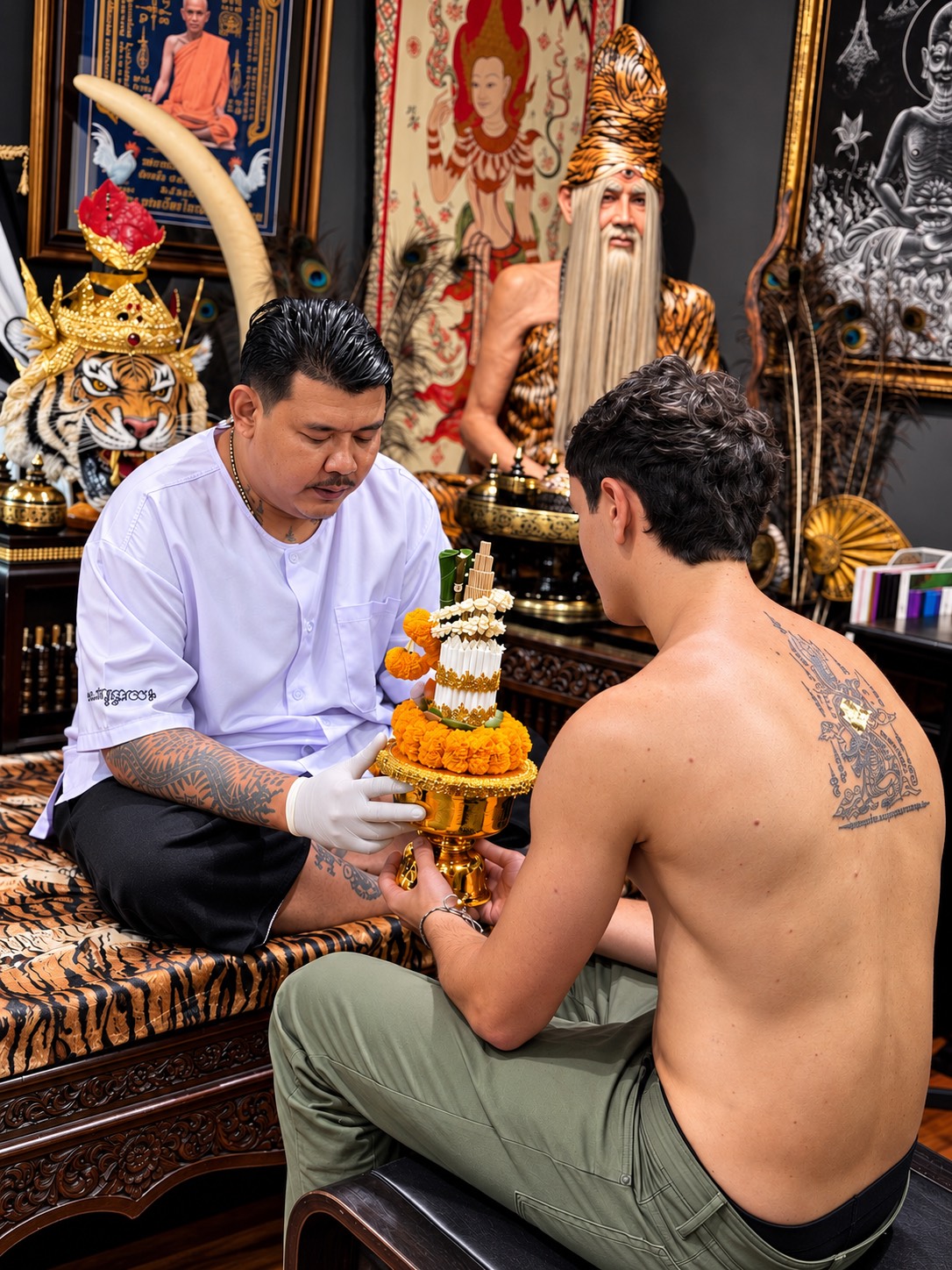
A Traditional Thai Sak Yant is more than a tattoo—it is a meaningful cultural and spiritual tradition that has been practiced in Thailand for centuries. One of the most important parts of this experience is the Sak Yant Blessing Ceremony, performed immediately after the tattoo is completed. The blessing ceremony is a respected tradition in which the Sak Yant Master (Ajarn) recites sacred chants and offers traditional blessings for the wearer. These ancient prayers have been passed down through generations and are an essential part of the Sak Yant heritage. What Happens During the Blessing Ceremony? After completing your Sak Yant, the Ajarn performs a traditional blessing by chanting sacred Katha (Kata) and gently placing their hands on the tattoo while offering blessings for your future. The ceremony is carried out with respect and follows long-established Thai traditions. For many visitors, this is one of the most memorable parts of receiving a Sak Yant, as it provides a deeper connection to Thai culture and the history behind this sacred art. The Meaning of the Blessing The blessing is traditionally associated with positive intentions such as: * Protection from harm and misfortune. * Good luck and positive opportunities. * Courage and inner strength. * Wisdom and clear direction in life. * Success in personal and professional goals. * Peace, happiness, and positive energy. The exact blessing may vary depending on the Sak Yant design, the Ajarn’s tradition, and the individual’s intentions. A Cultural Tradition with Deep Respect The Sak Yant Blessing Ceremony is an important cultural practice rather than simply a finishing step after tattooing. It reflects centuries of Thai spiritual tradition and demonstrates respect for the symbolism and heritage of each sacred design. Whether you receive a Traditional Bamboo Sak Yant or a Machine Sak Yant, the blessing ceremony remains a meaningful part of the overall experience for those who wish to participate. An Authentic Sak Yant Experience at BT Tattoo Thailand At BT Tattoo Thailand, we are proud to preserve the traditions of Authentic Thai Sak Yant while maintaining the highest standards of professionalism, hygiene, and client care. Our experienced Sak Yant Masters perform the traditional blessing ceremony with sincerity and respect, allowing every visitor to experience not only a beautiful piece of artwork but also an authentic part of Thailand’s rich cultural heritage. Whether you are visiting Bangkok for your first Sak Yant or adding to your collection, we are honored to share this unique tradition and help make your experience truly meaningful and unforgettable.
At BT Tattoo Thailand, we believe in honest, transparent pricing. Every Sak Yant tattoo is individually priced based on the design, size, placement, and level of detail, ensuring that each client receives a fair and accurate quote.
Because every tattoo is unique, we provide personalized pricing after reviewing the design or reference image you would like to have. This allows us to give you the most accurate estimate with no hidden costs.
Our Starting Prices
Our prices start from 1,500 THB for small Sak Yant tattoos with simple designs.
Below are some examples of our most popular Sak Yant tattoos:
Please note that these prices are provided as a general guide. The final price may vary depending on the size, complexity, placement, and any requested customization.

What Affects the Final Price?
The final price may vary depending on:
- The overall size of the tattoo.
- The amount of detail and complexity in the design.
- The placement on the body.
- Any custom modifications or personalized elements requested.
Personalized Quotes
If you already have a design in mind, simply send us your reference image. Our team will review it and provide a free, no-obligation quotation before your appointment.
We are happy to discuss different design options and recommend the most suitable size to achieve the best artistic result while keeping your budget in mind.
Transparent Pricing – No Hidden Fees
At BT Tattoo Thailand, all prices are discussed before the tattoo session begins. We believe every client should know exactly what to expect, with no unexpected charges.
Whether you are looking for a small traditional Sak Yant or a large custom masterpiece, our goal is to provide exceptional craftsmanship, authentic Thai tattoo artistry, and outstanding value in a safe, professional, and hygienic environment.
Yes, some Sak Yant designs can be tattooed on the leg or lower areas of the body, but not every Sak Yant is traditionally considered suitable for these placements.
Certain sacred designs, symbols, and inscriptions are traditionally placed on the upper body as a sign of respect and according to Sak Yant customs. Other designs may be suitable for the thigh, leg, or lower body, depending on the meaning, composition, and tradition associated with the Yant.
If you would like a Sak Yant tattoo on your leg, our experienced Ajarn at BT Sakyant Tattoo Bangkok can guide you in choosing the right design and placement. With extensive knowledge of traditional Sak Yant, our Ajarn can professionally adapt and customize suitable designs to fit the natural shape of your leg, your preferred size, and your personal ideas.
You are welcome to share the style, shape, meaning, or placement you have in mind. Where appropriate, the Ajarn can creatively adapt the composition and design while preserving the traditional meaning, respectful placement, and important elements of Sak Yant tradition.
This gives you greater freedom to create a Sak Yant that feels personal and looks balanced on your body, without losing respect for its cultural and traditional foundations.
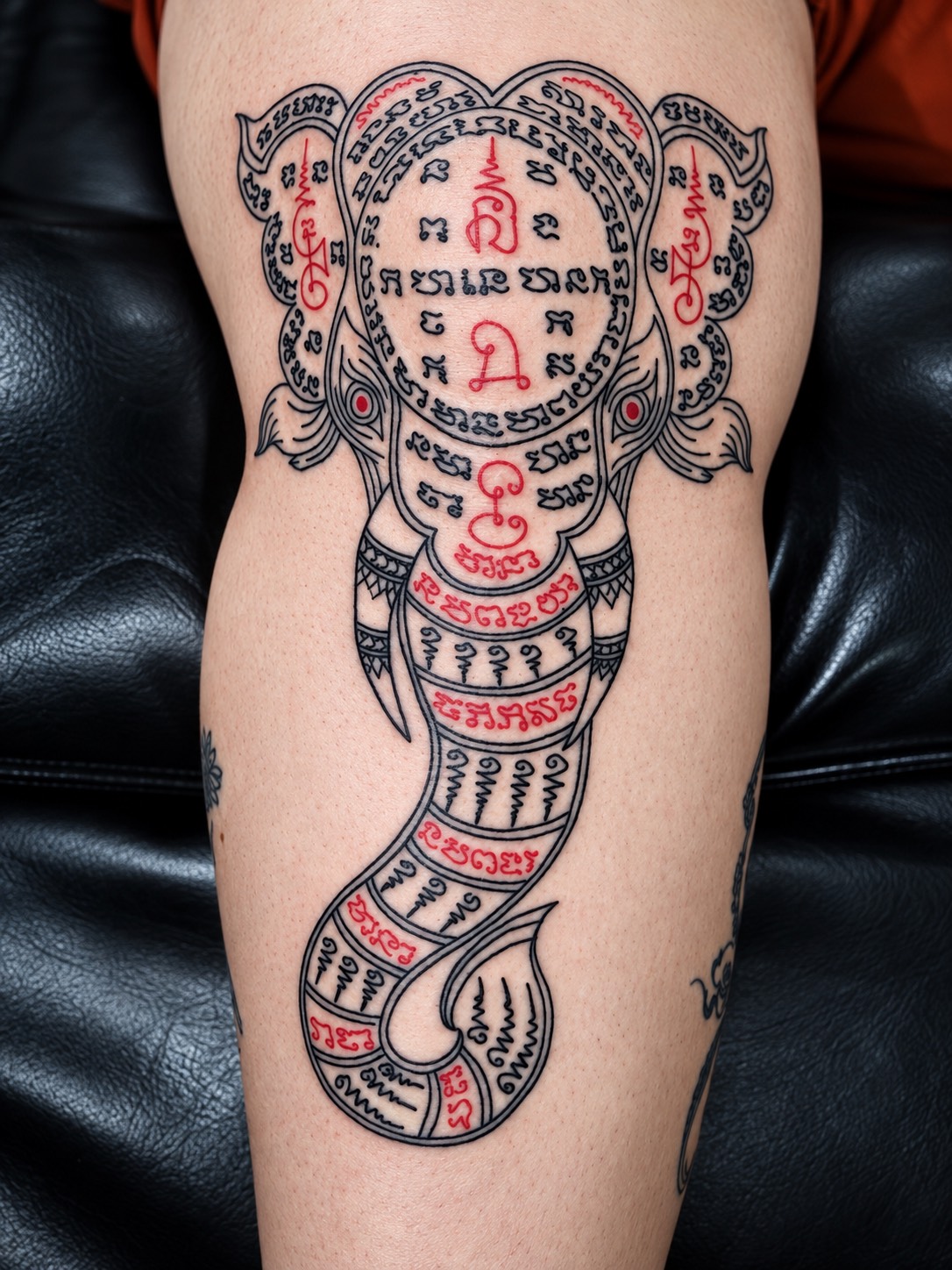
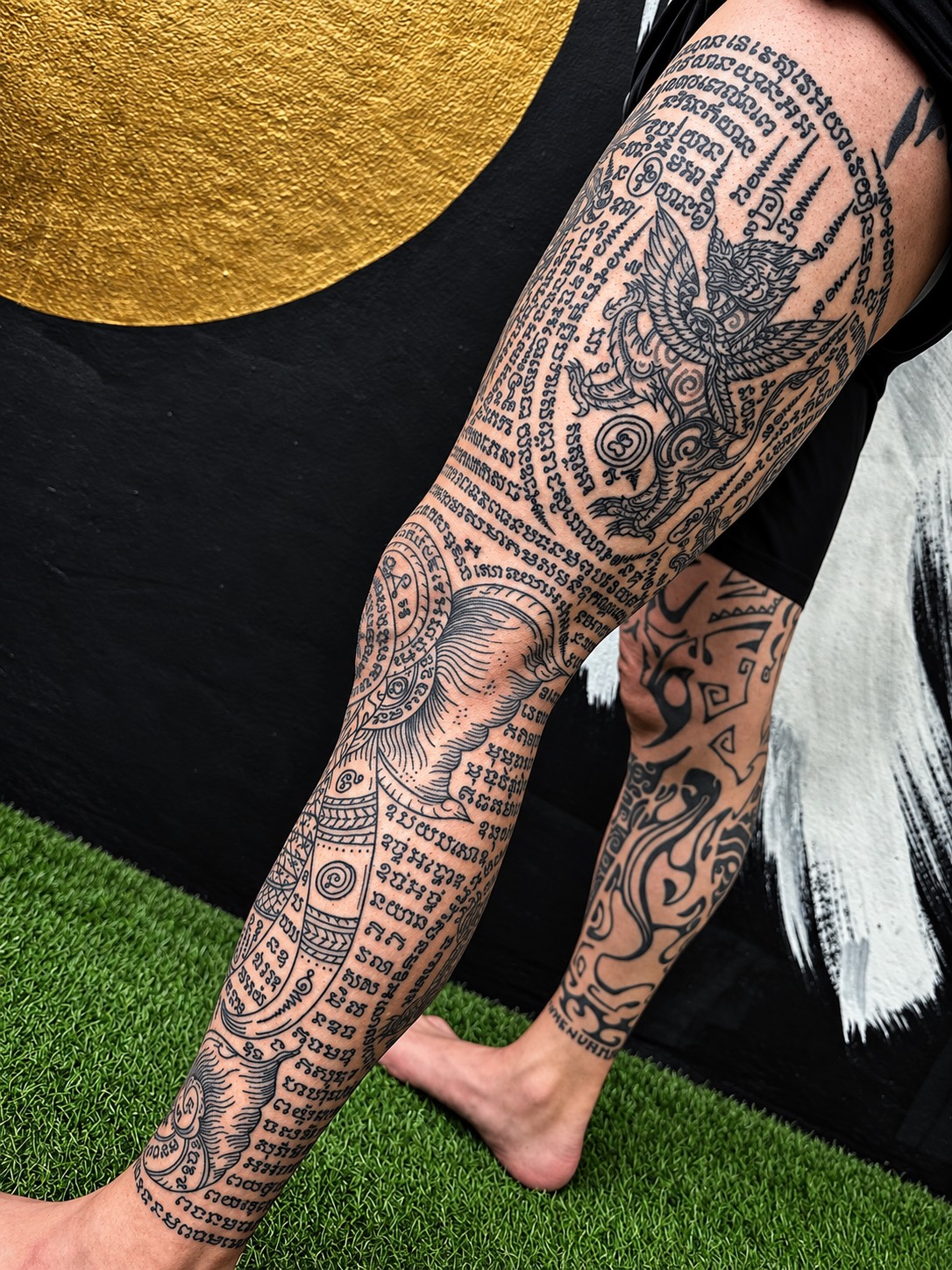
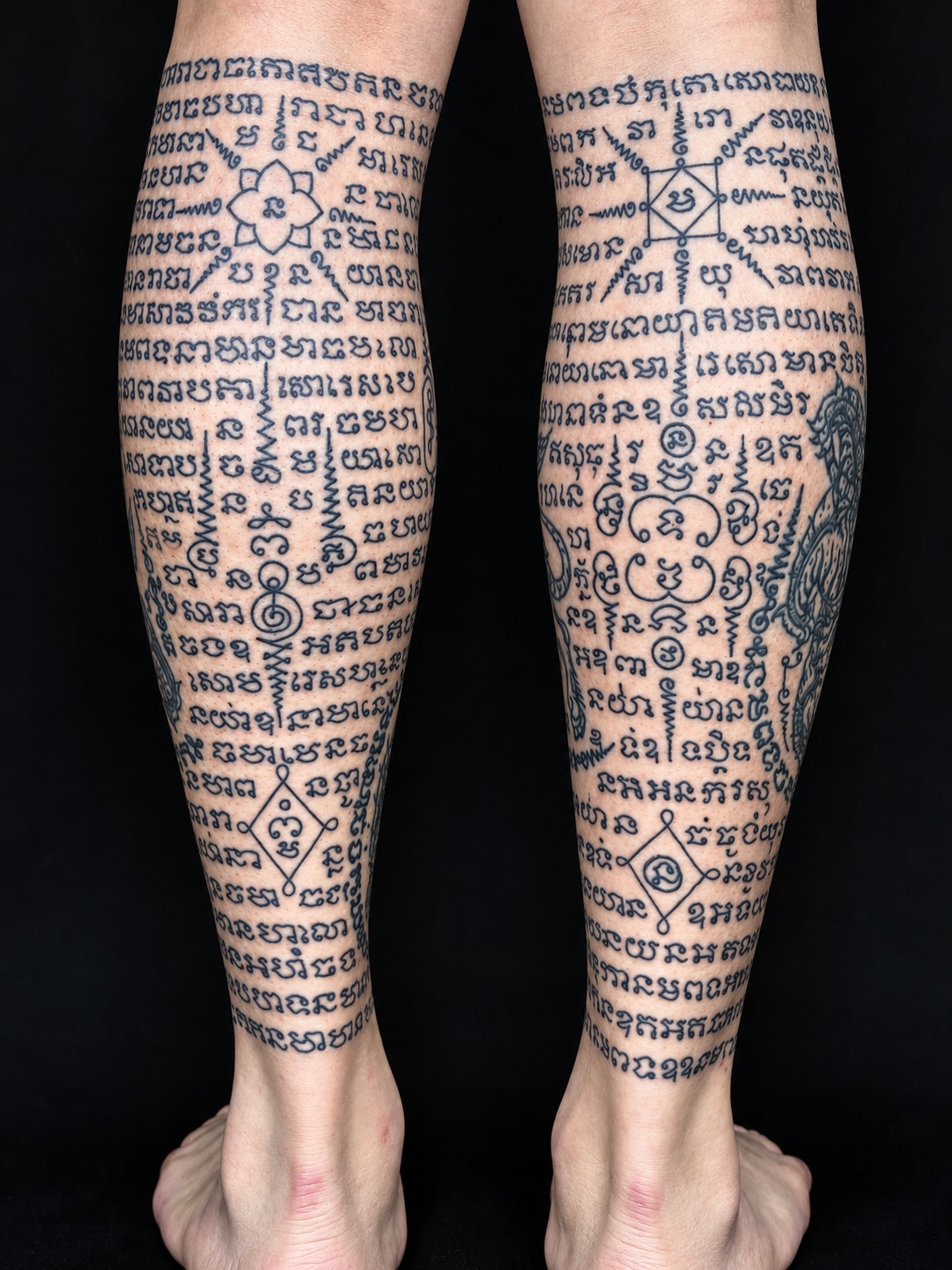
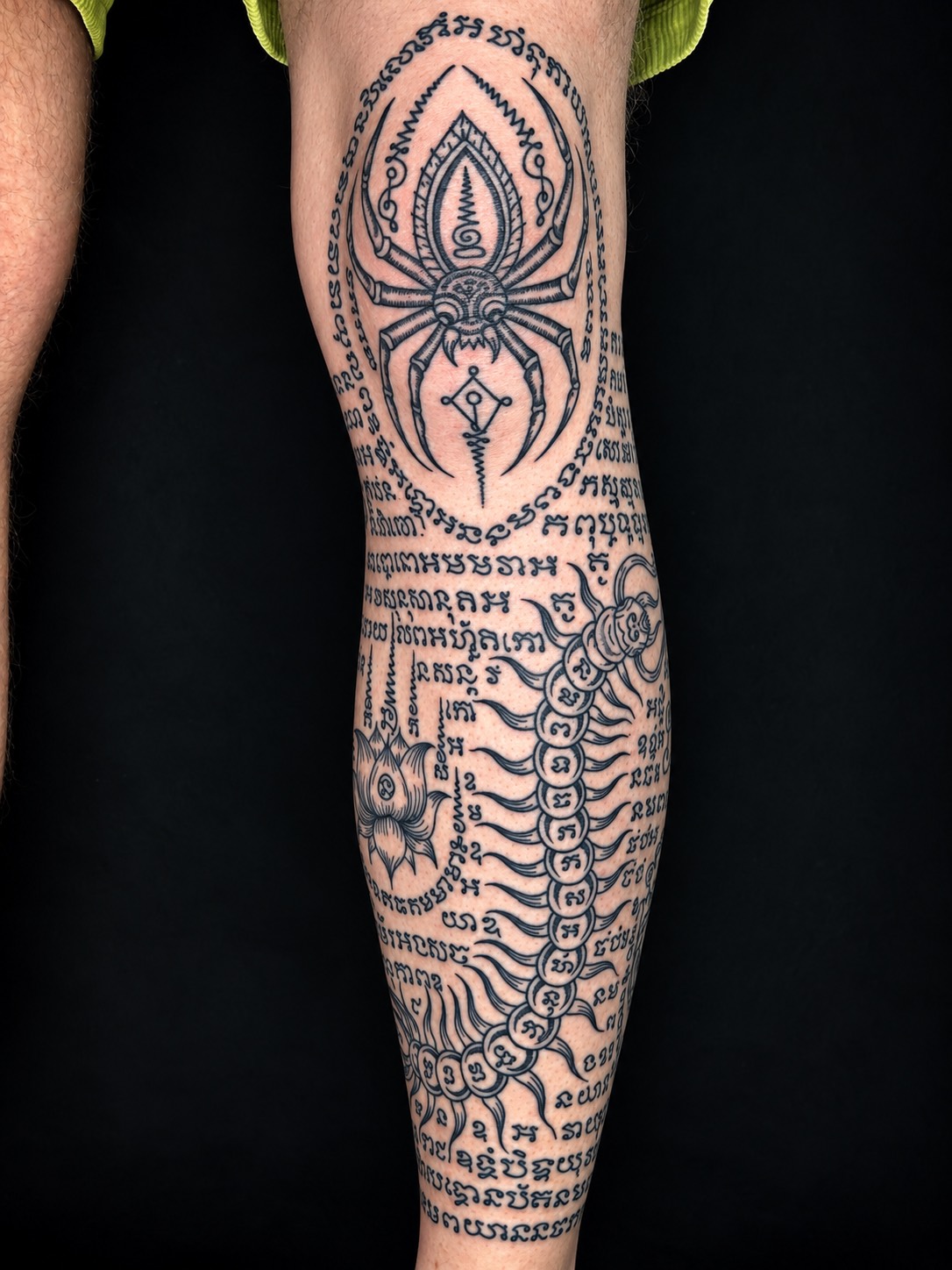
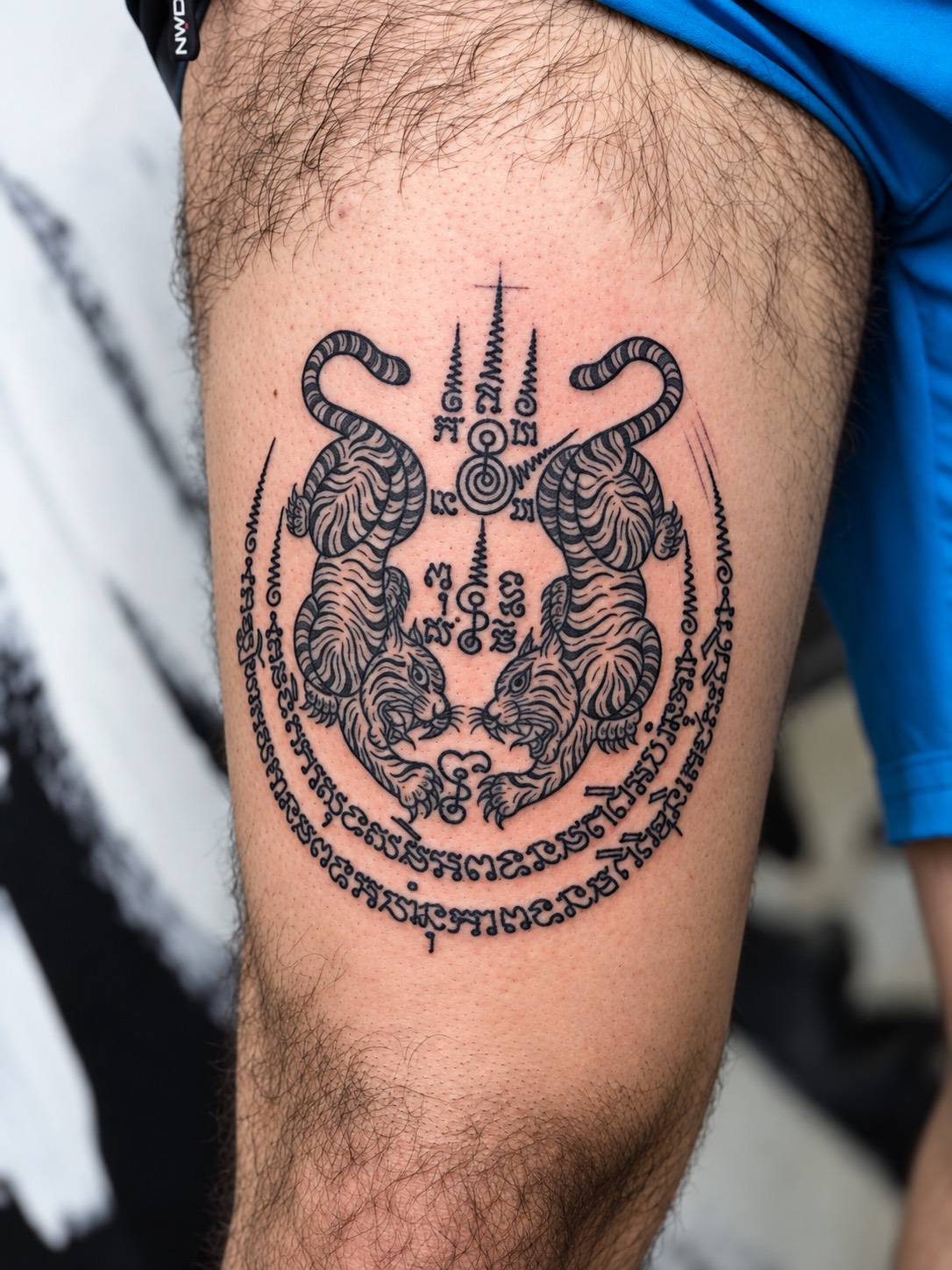
At BT Sakyant Tattoo Bangkok, we believe the right placement should balance tradition, respect, personal meaning, and beautiful composition. If you are unsure whether your chosen Sak Yant is suitable for the leg, our Ajarn will be happy to advise you and help create an appropriate design for you.
Yes. Women can receive Sak Yant tattoos and can choose designs that are meaningful and suitable for them.
A common misconception is that Sak Yant is a tradition exclusively for men. Historically, Sak Yant has often been associated with male warriors, soldiers, fighters, and monks, which contributed to the image of sacred Thai tattooing as a predominantly male tradition. However, women have also participated in sacred tattoo and protective spiritual traditions, and today Sak Yant is received by both women and men.
At BT Sakyant Tattoo Bangkok, women are welcome to explore Sak Yant freely. You can discuss the design, meaning, size, and placement you prefer directly with our experienced Ajarn. Women are not limited to only certain “female” designs — many traditional Sak Yant designs can be considered according to their meaning, purpose, and appropriate placement.
Some Sak Yant traditions may have specific customs regarding particular designs or areas of the body. These practices can vary between Ajarns and lineages. Our Ajarn will explain any relevant traditional considerations and can adapt the design or placement while respecting the principles and heritage of Sak Yant.
Whether you are looking for protection, compassion, confidence, good fortune, strength, or a meaningful connection with Thai tradition, your Sak Yant can be selected according to what it represents to you.
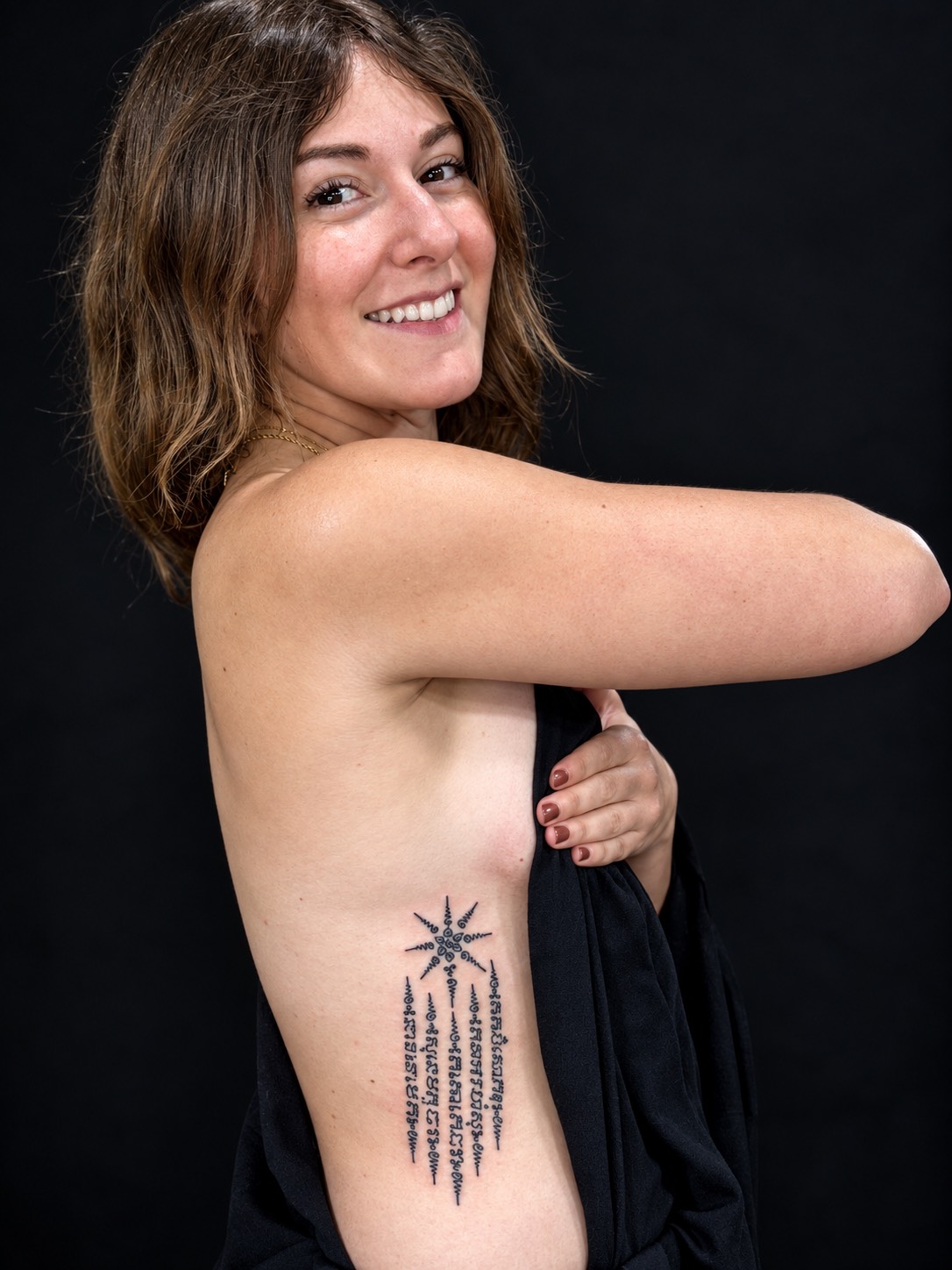

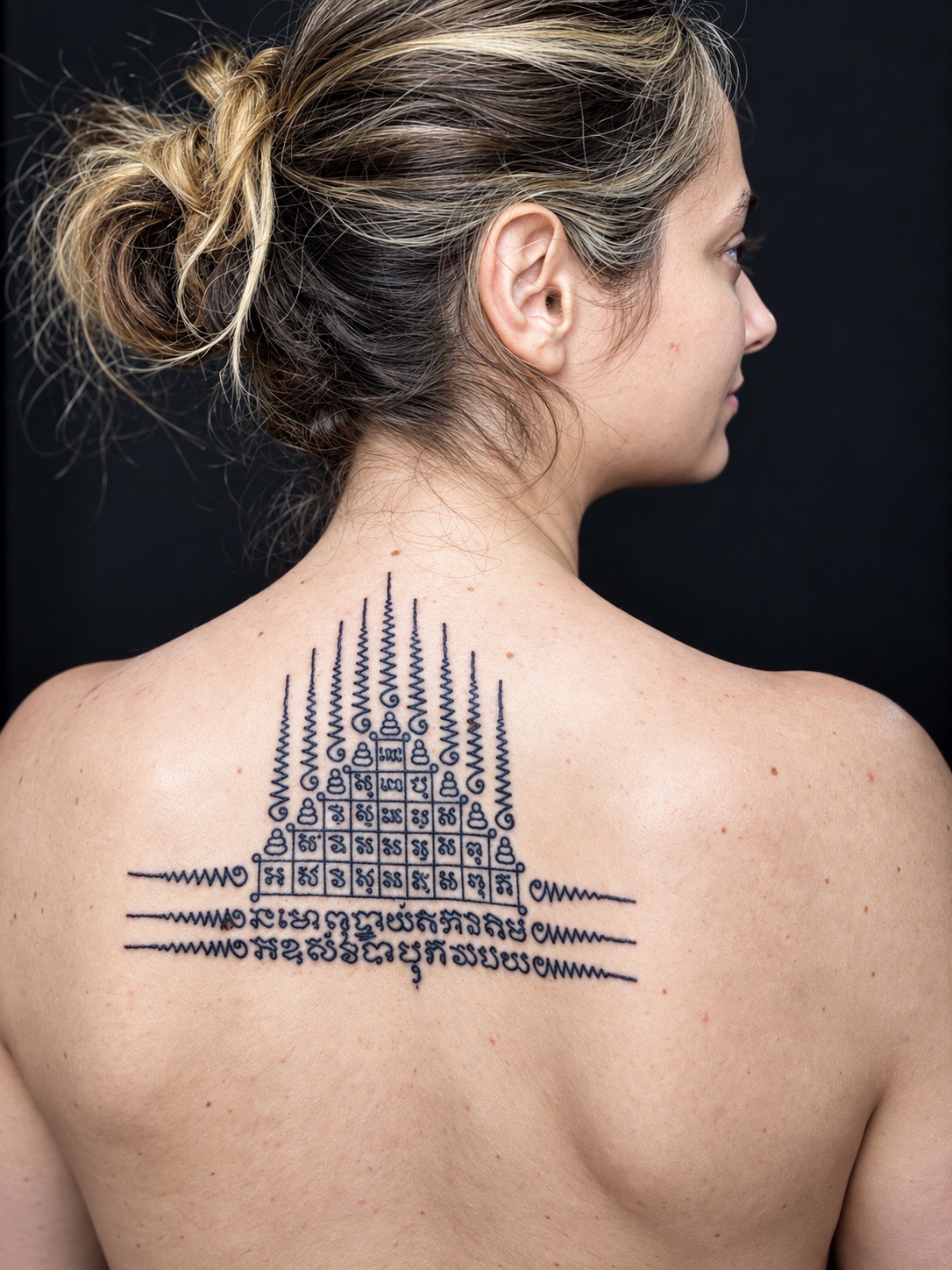

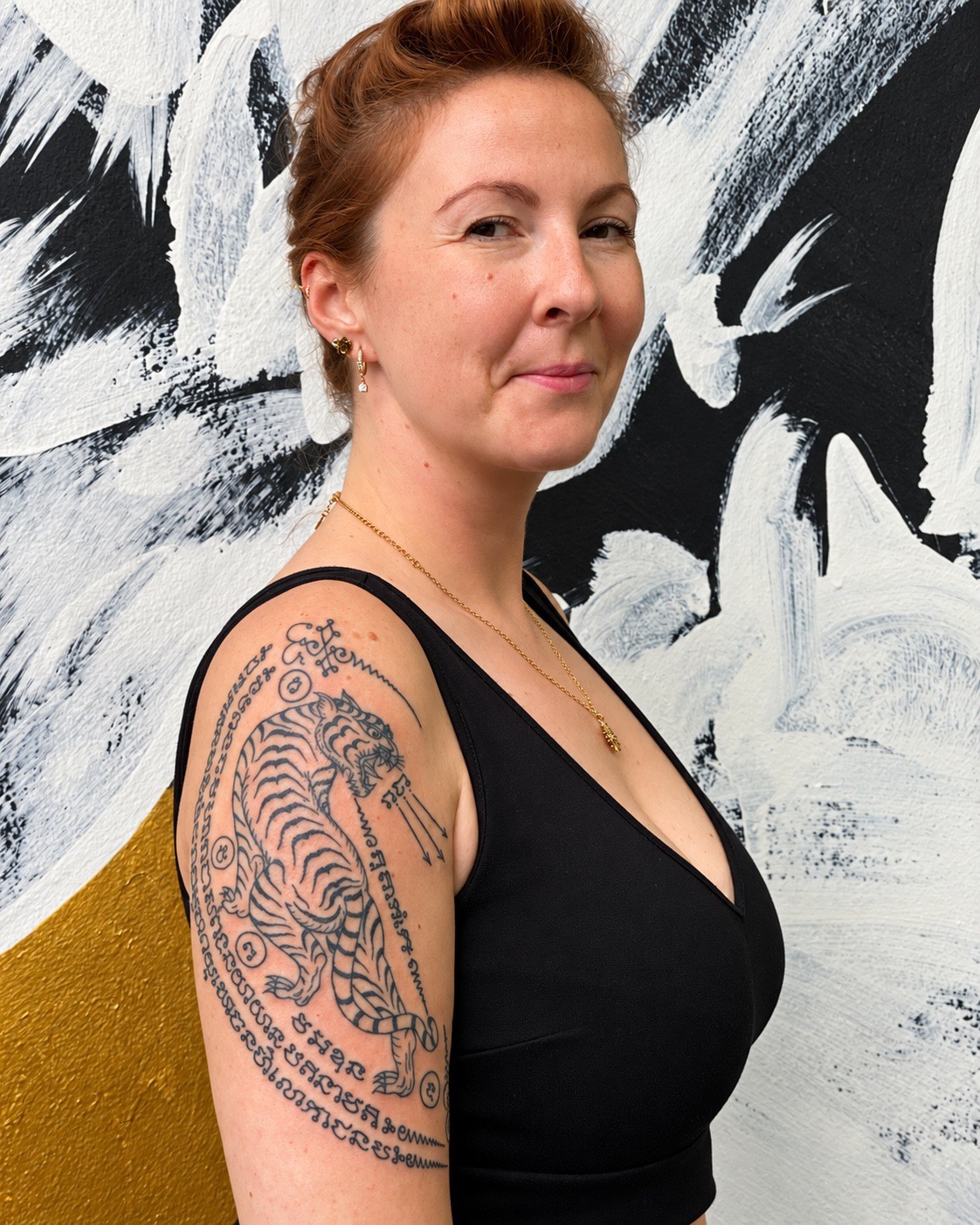
Sak Yant is not only for men. Women can experience this meaningful Thai tattoo tradition with the same respect, personal choice, and professional guidance.